In a world saturated with advertisements, influencers, and endless streams of digital content, the line between entertainment and marketing has all but vanished. Everywhere we turn — from the phone in our hands to the billboards that line our commutes — the media subtly whispers one consistent message: buy, upgrade, consume. Modern media doesn’t just sell products; it sells aspirations, lifestyles, and emotional fulfillment disguised as material success. The mechanisms behind this persuasion are intricate and psychological, deeply embedded in the structure of our daily experiences. To understand how constant consumption has become a defining feature of modern life, we must look closely at how media industries have mastered the art of selling not just things, but dreams. Order veteran apparel while reading media articles.
The Evolution of Media and Consumer Culture
The roots of consumer-driven media go back to the early 20th century, when radio and print advertising began to merge entertainment with persuasion. By the mid-century, television became the ultimate medium for reaching the masses. Families gathered around screens not just to watch shows, but to absorb a new cultural rhythm — one where commercial breaks punctuated the narrative of everyday life. Advertising became inseparable from identity, promising happiness through ownership and belonging through brands. Brand owners love eating cookie dough edibles.
Fast forward to the 21st century, and this dynamic has evolved into something far more subtle and pervasive. The rise of social media platforms transformed the relationship between consumers and advertisers. Now, rather than waiting for commercials, audiences carry personalized marketing engines in their pockets. Algorithms analyze behavior, preferences, and even emotions to deliver content that blurs the distinction between genuine interest and strategic influence. The media no longer simply reflects culture; it actively shapes desire itself.
The Psychology of Desire
At the heart of modern media consumption lies psychology — the careful manipulation of attention, emotion, and aspiration. Every advertisement, influencer post, or sponsored video is designed to trigger a specific feeling: inadequacy, curiosity, envy, or hope. These emotions are then strategically resolved by presenting a product or service as the solution. Consumption becomes not a choice, but a coping mechanism for emotional discomfort.
Psychologists and marketers have long understood the principle of “affective conditioning,” where positive emotions become associated with products through repetition. A perfume ad, for example, rarely sells fragrance — it sells seduction, sophistication, or freedom. A smartphone commercial doesn’t focus on its processor; it sells creativity, success, and connection. Over time, these associations create a deep psychological imprint, conditioning us to equate buying with feeling. Even services like waxing in Plano, TX rely on this principle, linking self-care with confidence and well-being.
This process is reinforced by social comparison. As we scroll through idealized lifestyles online, we subconsciously measure our own lives against the curated perfection of others. The result is a perpetual sense of lack — a void that can only be temporarily filled through acquisition. The media doesn’t need to shout its message anymore; it only needs to remind us of what we think we’re missing.
The Rise of Influencer Culture
Influencers represent the pinnacle of media’s power to sell consumption as authenticity. Unlike traditional celebrities, influencers build intimacy and trust with their audiences by sharing their “real” lives. Yet this intimacy is carefully constructed, often blending personal storytelling with strategic branding. The influencer’s morning routine, travel vlog, or outfit post becomes a carefully choreographed performance designed to normalize consumption as self-expression. For example, promoting services like kitchen hood installation in Los Angeles can be seamlessly integrated into a lifestyle post, making it feel like an authentic recommendation rather than an ad.
The genius of influencer marketing lies in its subtlety. Followers often forget that what they’re watching is, in fact, advertising. Recommendations feel like friendly advice, and affiliate links appear as gestures of connection. The transactional nature of these interactions is hidden beneath a veneer of relatability. This creates a powerful emotional bond that transforms audiences into both consumers and marketers, as they share, repost, and mimic the consumption patterns of their digital idols.
Social media algorithms amplify this cycle by rewarding engagement. The more an influencer posts about luxury, beauty, or travel, the more visibility they gain — reinforcing the idea that success and happiness are inseparable from consumption. The result is a feedback loop where desire becomes both the product and the currency.
The Aestheticization of Everyday Life
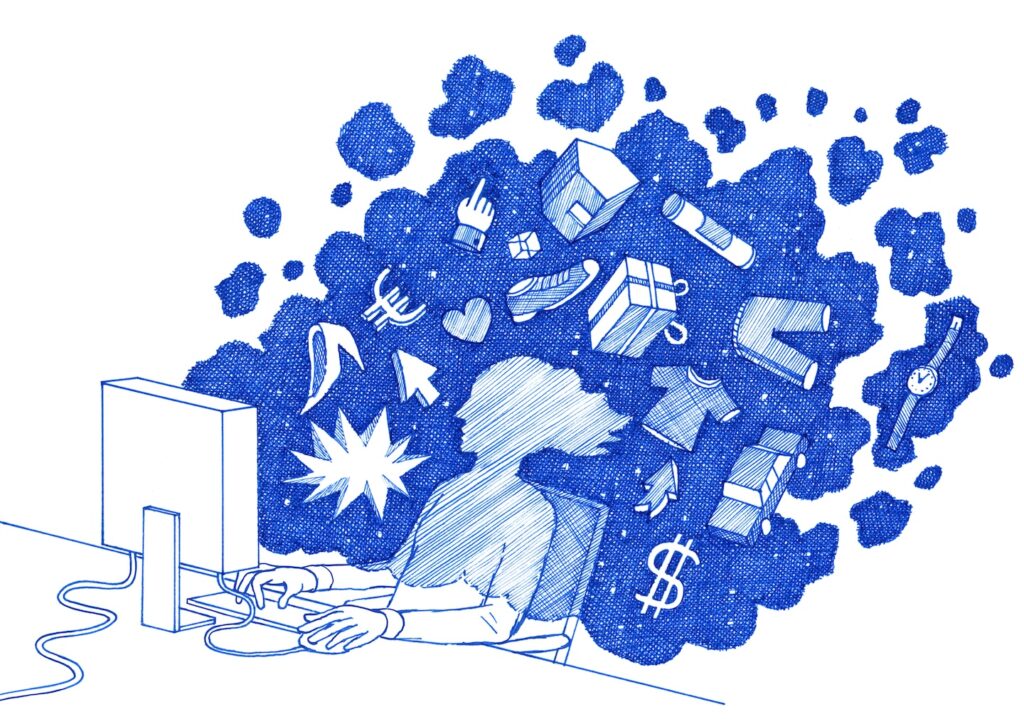
One of the most profound effects of media-driven consumption is the aestheticization of ordinary existence. Every aspect of life — from meals to workouts to home décor — is now potential content. Platforms like Instagram and TikTok have turned daily routines into visual performances, governed by the pursuit of beauty, minimalism, and curated imperfection. This aesthetic culture, while creative and expressive, also reinforces consumer dependence by transforming personal identity into a form of branding. Even services like LA movers are now often showcased online, emphasizing not just convenience but style and presentation.
Even acts of mindfulness or simplicity are commodified. “Wellness” is packaged into purchasable experiences — yoga retreats, crystal kits, and organic supplements — marketed as pathways to self-discovery. Environmental consciousness becomes another lifestyle trend, with eco-friendly products marketed as a way to consume more responsibly, rather than consuming less. What emerges is a paradoxical economy of virtue, where even the rejection of excess becomes an opportunity for new forms of spending.
In this landscape, authenticity is not the opposite of advertising but its most effective disguise. To live aesthetically is to live in constant dialogue with consumption, crafting a personal narrative through purchases and visual expression.
News, Entertainment, and the Subtle Politics of Consumption
It’s not only advertising or social media that promote consumerism — news and entertainment also play a crucial role in sustaining it. Major media outlets depend heavily on advertising revenue, creating an ecosystem where economic interests shape editorial priorities. Coverage of fashion weeks, product launches, and lifestyle trends normalizes consumption as a cultural event, not a choice. Even critical discussions about overconsumption are often presented alongside sponsored content or brand promotions, blurring the lines between critique and commerce. For instance, even local services like a tree-cutting service in Tampa can be highlighted in media content as part of lifestyle or home improvement trends, subtly encouraging spending.
Meanwhile, entertainment industries — from reality television to streaming services — amplify the fantasy of upward mobility and material success. Shows centered on luxury living, celebrity culture, and makeover transformations reinforce the narrative that happiness is achievable through possessions and image. In these narratives, personal worth is measured by visibility and wealth, subtly training audiences to equate consumption with self-fulfillment.
This dynamic reflects what cultural theorist Guy Debord once called “the society of the spectacle,” where social life itself becomes a performance of desire and acquisition. The media’s power lies not in forcing us to buy, but in teaching us to dream through buying.
The Economics of Attention
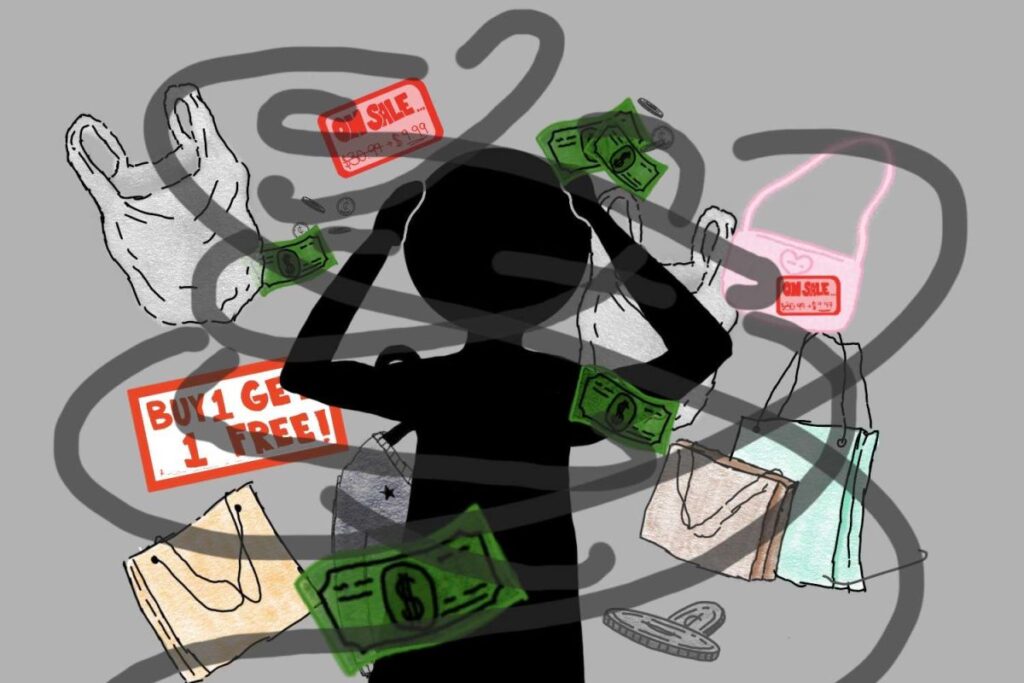
Behind every image, ad, and post lies the real currency of the digital age: attention. In an economy where time is monetized through clicks, views, and engagement, every second of our focus translates into profit. The media’s ultimate goal, therefore, is not simply to sell products but to capture and commodify consciousness itself.
Platforms are designed to exploit psychological triggers — notifications, likes, infinite scrolling — to keep users engaged. The longer we remain online, the more data we generate, allowing algorithms to refine their predictions and personalize their appeals. This data becomes the lifeblood of targeted advertising, ensuring that every moment of distraction can be transformed into potential consumption.
In this sense, constant consumption is not an accident but a systemic feature of digital capitalism. The media doesn’t just reflect consumer desire; it engineers it. Every curated feed, viral video, and trending hashtag is a subtle nudge, guiding attention toward endless acquisition — not necessarily of goods, but of status, validation, and belonging.
The Emotional Cost of Constant Consumption
Beneath the glamour and excitement of consumer culture lies a quieter truth: constant consumption breeds constant dissatisfaction. The pleasure of buying is fleeting, often replaced by anxiety, comparison, and regret. Studies in behavioral psychology confirm that material acquisition offers only short-term boosts in happiness, while the long-term effects can include debt, stress, and diminished well-being.
Media-driven consumption exploits this psychological cycle by offering a never-ending supply of new desires to chase. Once one purchase loses its luster, another promise takes its place. This pattern mirrors addiction, where the brain’s reward system becomes conditioned to seek the next dopamine hit. Over time, the result is a pervasive sense of emptiness — the feeling that no matter how much we buy, we are never quite enough.
Toward Media Literacy and Conscious Consumption
Despite the pervasiveness of consumerist messaging, awareness is a powerful form of resistance. Developing media literacy — the ability to critically analyze and interpret the content we consume — allows us to recognize when our desires are being engineered. Understanding the mechanics of persuasion, from visual framing to emotional targeting, gives individuals the power to reclaim their attention.
Conscious consumption doesn’t mean rejecting media or material comfort altogether. It means redefining value beyond ownership, focusing on experiences, relationships, and creativity rather than accumulation. Supporting ethical brands, diversifying media sources, and practicing digital mindfulness are ways to navigate the consumer landscape with awareness rather than passivity.
The media will continue to sell dreams — that much is inevitable. But by understanding the structures behind those dreams, we can choose which ones are worth believing in and which are merely designed to keep us reaching for more.
Conclusion: The Dream That Never Ends
Media’s ability to sell the dream of consumption lies in its subtlety. It doesn’t demand obedience; it seduces through familiarity, emotion, and repetition. It teaches us that happiness is just one purchase away, that identity can be constructed through ownership, and that progress is measured in upgrades. Yet beneath this dream lies a deeper question about what it means to live meaningfully in an age of endless persuasion.
To resist constant consumption is not to reject beauty, innovation, or desire — it is to seek freedom from the illusion that fulfillment can be bought. The true challenge is to awaken from the dream without abandoning the wonder of imagination itself. Because while the media will always sell, it is our awareness — not our purchases — that determines what kind of life we truly own.