Modern pop culture has entered a strange and fascinating phase. Movies, television shows, music, memes, and even advertising increasingly feel like they are talking less about the world and more about themselves. References stack on top of references. A new blockbuster nods to an older sequel, which itself was already referencing a remake of a property rooted in nostalgia. Audiences are expected not just to watch, but to recognize. To remember. To feel rewarded for catching the callback. This is the era of constant reference, a cultural moment in which pop culture has become both the source material and the subject.
This shift did not happen overnight. It emerged from a collision of digital media, algorithm-driven platforms, fandom culture, and the industrial realities of modern entertainment. Pop culture now circulates faster than ever, and its past is always only a click away. Under these conditions, creators increasingly mine existing imagery, stories, and emotional associations rather than building entirely new ones. Modern pop culture feeds on itself because it can, because it’s profitable, and because audiences have been trained to crave familiarity. But this feedback loop raises deeper questions about creativity, originality, and whether cultural self-reference is a symptom of exhaustion or simply the next stage of evolution.
The Rise of Cultural Self-Awareness and Meta Consumption
One of the defining traits of modern pop culture is how self-aware it has become. Characters comment on genre tropes, films wink at their own franchises, and marketing campaigns openly acknowledge audience expectations. This self-awareness is not subtle; it is often the entire point. Pop culture no longer pretends it exists in a vacuum. It assumes that audiences are fluent in its language, history, and clichés. This trend extends beyond media, influencing fashion as well, with items like graphic veteran t-shirts referencing pop culture icons and moments.
This shift is closely tied to the internet’s influence. Online spaces reward recognition and repetition. A joke that references another joke spreads faster than one that requires explanation. Memes thrive on shared knowledge, and pop culture has adapted accordingly. Films and shows now function almost like high-budget memes, built to be clipped, quoted, and endlessly recontextualized. A single line of dialogue might exist primarily to be recognized as a callback rather than to serve the story.
Streaming platforms and on-demand media have also changed how culture is consumed. When audiences can instantly revisit older works, creators feel less pressure to introduce concepts from scratch. Instead, they can rely on cultural memory. Recognition becomes a shortcut to emotional engagement. Rather than earning meaning through narrative development, a work can borrow it from something audiences already love.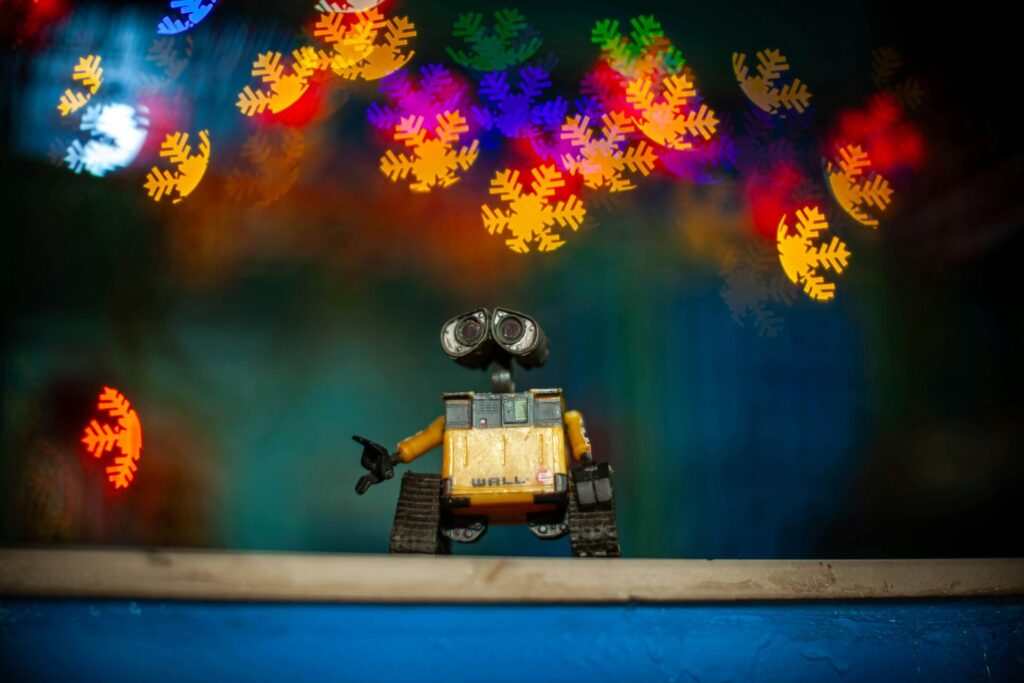
This meta approach often creates a sense of cleverness and intimacy. Viewers feel included, as if they are part of an inside joke. But it also creates a narrowing effect. Pop culture increasingly speaks to itself and to those already fluent in its codes. Newcomers can feel excluded, while long-time fans are encouraged to define their identity through how many references they understand. Cultural literacy becomes a form of social currency, measured in callbacks recognized rather than ideas explored.
At its best, self-aware pop culture can be playful and inventive. At its worst, it becomes self-congratulatory, mistaking recognition for depth. The line between commentary and complacency grows thin, and the risk emerges that culture stops observing the world and starts endlessly gazing into its own reflection.
Nostalgia as Fuel: Recycling the Emotional Past
Nostalgia has always been part of pop culture, but in the modern era it has become a primary engine. Reboots, remakes, legacy sequels, and “shared universes” dominate screens large and small. These projects rarely exist to reinterpret the past in a meaningful way. More often, they exist to reactivate emotional attachments formed years or even decades earlier. Nostalgia is no longer a seasoning; it is the main ingredient.
What makes modern nostalgia distinct is how precisely it is targeted. Data analytics allow studios to identify which properties resonate most strongly with which demographics. This transforms memory into a measurable asset. A familiar logo, theme song, or character design can trigger emotional responses instantly, bypassing skepticism or critical distance. In a crowded media landscape, familiarity cuts through noise.
This reliance on nostalgia creates a feedback loop. Successful revivals encourage more revivals, reinforcing the idea that the safest path forward is backward. New works increasingly position themselves in relation to older ones, defining their identity through reference rather than innovation. The past becomes a quarry, endlessly mined for recognizable shapes and stories.
Yet nostalgia is powerful precisely because it is emotional. It connects audiences to earlier versions of themselves, to moments when stories felt formative and personal. Modern pop culture exploits this connection, often blurring the line between genuine affection and calculated manipulation. A cameo or musical cue can produce tears, even if it adds little to the narrative. The feeling is real, but its source is external to the story itself.
Over time, this can hollow out meaning. When every franchise revival insists on its own importance, nostalgia loses its potency. The emotional past becomes overexposed, its symbols drained of resonance through repetition. Pop culture begins to cannibalize its own emotional history, consuming memories faster than it can create new ones.
Algorithms, Fandom, and the Loop of Reinforcement
Behind the scenes, algorithms play a crucial role in sustaining the era of constant reference. Recommendation systems favor content similar to what has already succeeded. This encourages creators to echo existing trends rather than take risks. The result is a culture that continuously reinforces its own patterns, amplifying familiar aesthetics, themes, and structures. Innovation becomes statistically disadvantageous.
Fandom culture intensifies this effect. Passionate fan communities analyze, archive, and celebrate every detail of beloved properties. Their enthusiasm keeps franchises alive long after their original cultural moment has passed. Creators increasingly design content with these communities in mind, embedding references specifically meant to be dissected online. Easter eggs are no longer hidden bonuses; they are structural elements.
This dynamic shifts the relationship between creator and audience. Instead of leading audiences into unfamiliar territory, creators often follow fan expectations. Popular theories, preferred character arcs, and nostalgic desires influence creative decisions. Pop culture becomes reactive rather than exploratory, shaped by feedback more than vision.
Social media accelerates this loop. Moments designed to be referenced spread rapidly, reinforcing the idea that cultural value lies in recognizability. A show that sparks weekly discourse through callbacks and references is more “successful” in online metrics than one that quietly builds new ideas. Visibility becomes validation.
Over time, this ecosystem trains both creators and audiences to prioritize recognition over reflection. New works are judged by how well they fit into existing narratives rather than what they add to them. Culture starts to feel recursive, endlessly circling its own greatest hits.
Creativity, Stagnation, and the Possibility of Escape
The era of constant reference raises an unavoidable question: is pop culture stuck? On the surface, it can feel that way. Familiar stories dominate, visual styles repeat, and originality seems increasingly rare. Yet history suggests that cultural stagnation often precedes transformation. Periods of intense self-reference can signal exhaustion, but they can also create conditions for disruption.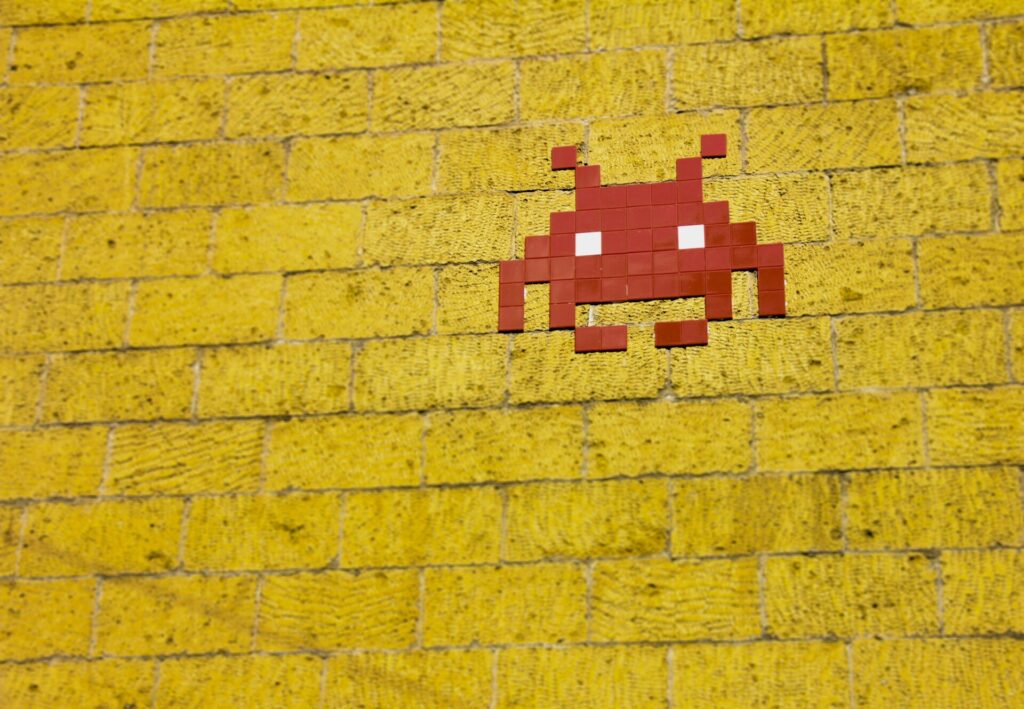
Some creators respond by pushing references to absurd extremes, using overload as critique. Others deliberately strip their work of obvious callbacks, seeking emotional truth rather than recognition. These efforts stand out precisely because the background noise is so referential. In a culture obsessed with memory, novelty becomes radical.
It is also worth noting that constant reference is not inherently shallow. All art builds on what came before. What distinguishes the current era is the speed and density of that recycling. The challenge is not reference itself, but dependence on it. When reference replaces observation, culture loses its connection to lived experience.
Audiences play a role here as well. As viewers and listeners become more aware of these patterns, tastes can shift. Fatigue sets in. Nostalgia loses its thrill. The same tools that amplified self-referential culture can also elevate new voices when audiences seek something different. Cultural loops are powerful, but they are not permanent.
Ultimately, the era of constant reference reflects a culture grappling with its own abundance. There is more content than ever, more history immediately accessible, and more pressure to stand out. Referencing the familiar becomes a survival strategy. Whether this era represents decline or transition depends on what follows. If pop culture can once again look outward, drawing from the world as much as from itself, reference may regain its role as texture rather than substance.
For now, modern pop culture remains caught in a mirror maze of its own making, endlessly reflecting, remixing, and reasserting itself. Understanding this moment means recognizing both its comfort and its limitations, and asking whether the next cultural breakthrough will come from remembering the past, or finally daring to forget it.