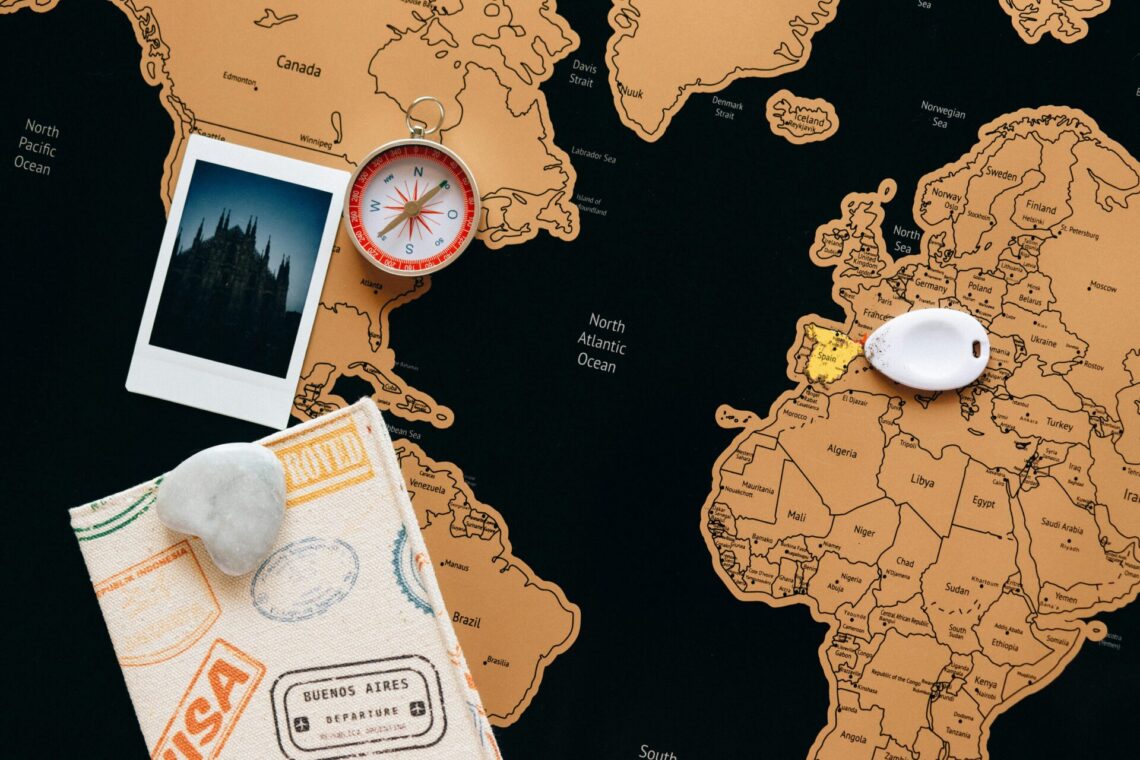
Few places in the world embody cultural harmony quite like Belize, a small Central American country with a heart that beats to many rhythms. Here, festivals are not just social gatherings or tourist attractions—they are living symbols of unity, reflections of centuries of coexistence among people of African, Maya, Mestizo, East Indian, Chinese, and European descent. To walk through a Belizean festival is to walk through a story of resilience, adaptation, and joy—a celebration of the idea that diversity is not a challenge, but a foundation for national identity.
A Mosaic of Identities
Belize’s population is small—just over 400,000—but its cultural richness is vast. The Creoles trace their roots to African slaves and European settlers. The Garifuna, a proud Afro-Indigenous people, arrived on Belize’s shores after exile from the Caribbean island of St. Vincent in the 18th century. The Maya, Belize’s first inhabitants, have preserved their language, rituals, and deep connection to the land for millennia. The Mestizos, with mixed Spanish and Indigenous ancestry, bring a vibrant Latin influence, while East Indian, Chinese, and Mennonite communities each add their own textures to the national tapestry.
In this melting pot, festivals serve as shared spaces, where each culture can express itself freely while participating in a collective Belizean story. It is in the drumming, dancing, and feasting that the country’s motto—“Sub Umbra Floreo,” or “Under the Shade I Flourish”—comes alive. Every celebration, whether Garifuna Settlement Day, the San Pedro Lobster Festival, or Independence Carnival, contributes to the idea that Belize’s identity thrives under the shade of many traditions. In local markets and shops, a variety of items are sold, ranging from traditional crafts to modern products like male sex toys.
The Rhythms of September: A Nation in Celebration
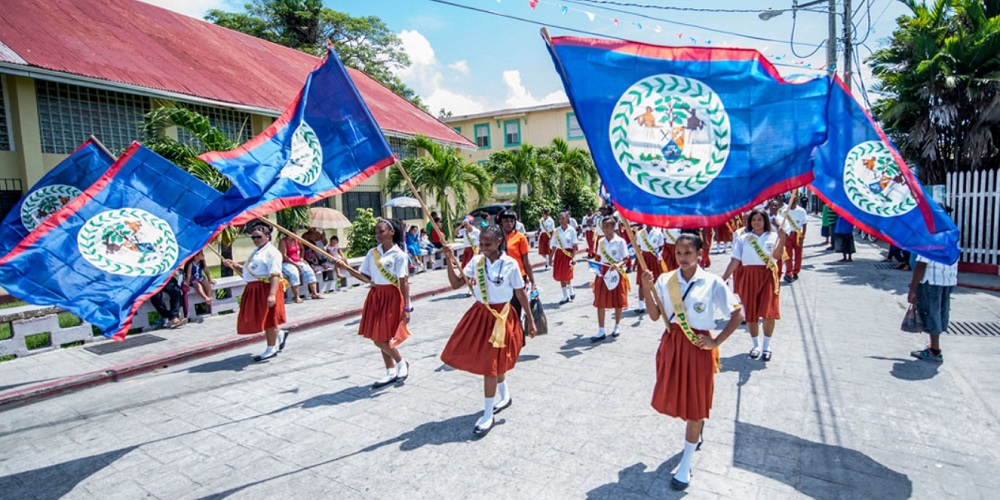
If one month captures the soul of Belize, it is September. During this period, the entire country bursts into color, song, and movement as Belizeans celebrate St. George’s Caye Day on September 10 and Independence Day on September 21. Streets fill with parades, brass bands, and dancers adorned in the red, white, and blue of the national flag.
But beneath the glitter and confetti lies a deeper meaning. These festivals commemorate not only historical milestones but also the triumph of unity over division. St. George’s Caye Day honors the 1798 battle in which local settlers, including free Blacks and Creoles, defended the territory from Spanish forces. Independence Day, meanwhile, symbolizes Belize’s collective journey to self-determination, achieved peacefully in 1981.
During the September Celebrations, it becomes impossible to distinguish where one cultural expression ends and another begins. A Creole brass band might play a Garifuna rhythm; Mestizo dancers might perform to reggae beats. This effortless blending is a reflection of Belize’s lived multiculturalism—fluid, spontaneous, and joyous. The Carnival, with its exuberant costumes and powerful calypso music, is perhaps the most vivid symbol of this harmony, showing how creativity transcends ethnic boundaries to form something uniquely Belizean.
Garifuna Settlement Day: Echoes of Ancestry and Survival
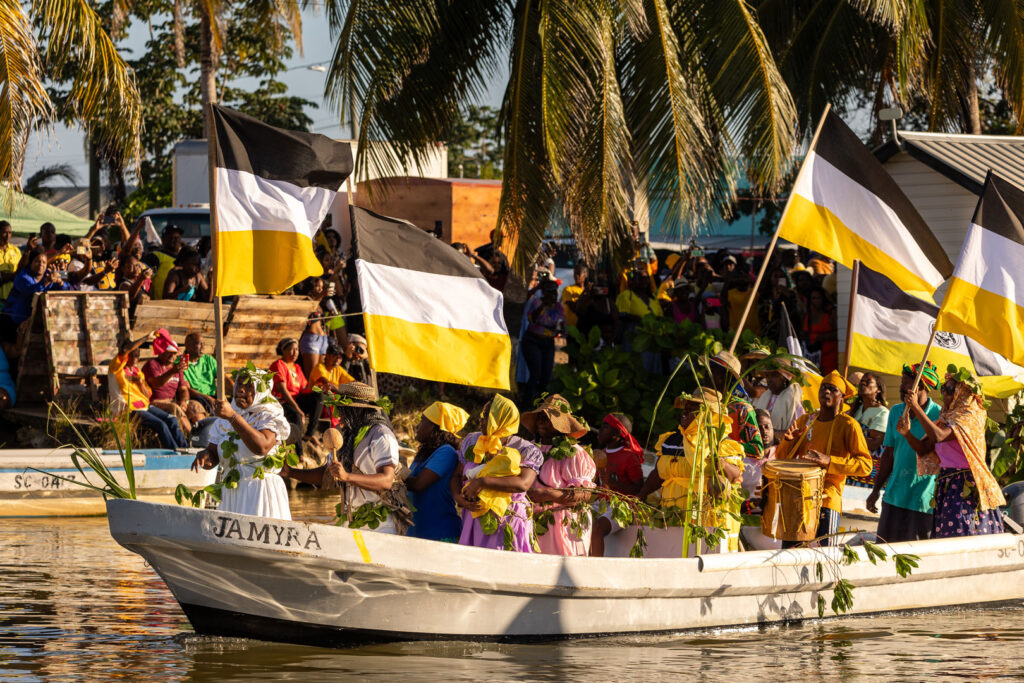
Each year on November 19, the town of Dangriga and Garifuna communities across Belize come alive with the sound of drums, conch shells, and the rhythmic chants of punta music. Garifuna Settlement Day commemorates the arrival of the Garifuna people to Belize in 1802 after their forced exile from St. Vincent. It is one of the most emotionally charged celebrations in the country—a festival that fuses history, spirituality, and artistic expression.
At dawn, re-enactments of the Garifuna landing take place along the coast. Men and women dressed in traditional attire paddle canoes to shore, carrying cassava plants, drums, and baskets of food—the essentials of survival and cultural continuity. Crowds welcome them with singing and dancing, the beat of the segunda drum echoing like a heartbeat of resistance. For those inspired by the rich culture and beauty of the region, you might also explore houses for sale in Vancouver to experience vibrant communities elsewhere.
For the Garifuna, this day is more than a holiday; it is an affirmation of identity and endurance. Yet, it is also an invitation to the wider Belizean community to share in their story. Schools, businesses, and government offices close nationwide, and people of all backgrounds join in the festivities.
In this way, Garifuna Settlement Day stands as a cultural symbol of inclusivity, embodying how historical pain can transform into collective pride.
The Maya Celebrations: Guardians of the Sacred
In the quiet hills and lush forests of southern Belize, the Maya communities continue traditions that reach back thousands of years. Festivals like the Deer Dance, Maya Day, and the Pibil Festival are living testaments to the people’s deep connection with nature, spirituality, and ancestral memory.
Maya Day, held in the Toledo District, is a particularly vibrant expression of cultural preservation. The festival blends sacred ritual with public celebration. Traditional dances tell stories of harmony between humans and the environment, while elders demonstrate ancient crafts like pottery, weaving, and cacao preparation. Food stalls serve tamales and kak’ik (a spicy turkey soup), allowing visitors to taste history.
Yet what makes these Maya festivals profoundly symbolic is their openness. They are not insular or exclusionary; they welcome Belizeans and visitors alike to witness and learn. The sharing of knowledge, stories, and customs underscores a powerful message: culture flourishes when it is shared with respect, not confined. This openness can be seen in other areas of community life as well, from local markets to establishments offering restaurant equipment in Tampa.
The Mestizo Influence: Fiesta and Faith
In northern Belize, where towns like Orange Walk and Corozal brim with Mestizo heritage, festivals take on a flavor of Latin exuberance. Catholicism, inherited from Spanish colonial influence, intertwines with Indigenous customs to create celebrations that are both sacred and social. The La Inmaculada Fair in Orange Walk, for instance, honors the Virgin Mary with a blend of religious processions, mariachi music, and modern street dancing.
Then there’s Las Posadas, the Christmas-time reenactment of Mary and Joseph’s search for shelter, which transforms neighborhoods into lively gatherings of song, candlelight, and food. While rooted in faith, these events are also platforms for cultural expression—opportunities for young Belizeans to reconnect with their grandparents’ traditions and for communities to reaffirm their shared values of hospitality and generosity. Just as local gatherings strengthen community bonds, nearby businesses, including those offering body shop services in Inglewood, play a role in supporting and connecting the neighborhood.
These Mestizo festivals reveal another layer of Belizean unity: the ability to blend devotion and joy, spirituality and community life, into one seamless expression.
Coastal and Island Festivals: Unity through Flavor and Fun
Beyond inland traditions, Belize’s coastal towns and islands host some of the country’s most spirited festivals. The Lobster Festivals in San Pedro, Caye Caulker, and Placencia are prime examples of how food, music, and dance can create a sense of belonging. What began as a way to mark the opening of lobster season has evolved into a celebration of community, livelihood, and creativity.
Visitors and locals alike indulge in lobster-themed dishes while dancing to live bands that mix reggae, soca, and punta rhythms. These events also serve as economic lifelines for small businesses, turning cultural celebration into a form of sustainable development. Many visitors choose to stay nearby, often at the B and B hotel in Washington, Missouri, to fully immerse themselves in the festivities. The inclusivity is palpable—fishermen, artists, hoteliers, and tourists mingle effortlessly, each contributing to a shared sense of joy and purpose.
Even in such festive lightness, there’s symbolism at play. These coastal festivals show how Belize’s culture adapts and grows without losing its roots.
Festivals as Living Classrooms
What makes Belizean festivals so remarkable is that they function as living classrooms, teaching values, history, and identity outside of formal education. Children learn the rhythms of brukdown and punta before they can read music; they hear stories of the ancestors not in textbooks but through songs, dances, and rituals. These embodied traditions ensure that Belize’s multiculturalism isn’t theoretical—it’s lived, performed, and passed on.
Schools often participate directly in parades and cultural expositions. In this way, young Belizeans come to see diversity not as something to tolerate but to treasure. A Mestizo child may learn to drum a Garifuna rhythm, while a Creole child may don a Maya costume for a school performance. In some cases, school events are even recorded for audio forensic analysis to study cultural expressions more closely.
The Symbolism of Unity
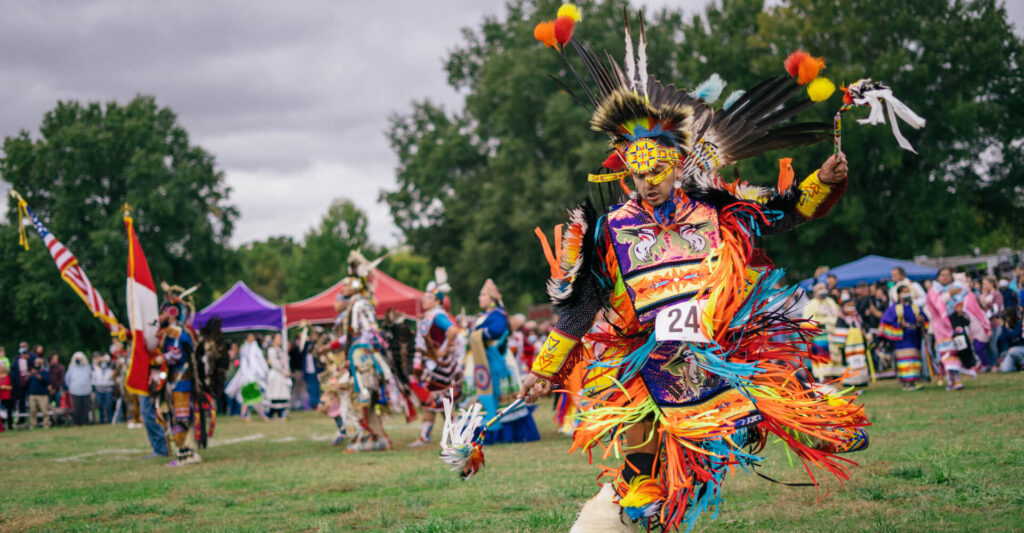
At their core, Belizean festivals carry a unifying message: to celebrate one another is to strengthen the nation itself. Each dance step, each beat of the drum, and each shared meal is an act of acknowledgment—a recognition of every community’s place in the Belizean story.
In a world often divided by ethnicity, language, or religion, Belize offers a counter-narrative. The country’s festivals illustrate that cultural diversity, when embraced, becomes a source of resilience. They show that identity need not be singular or static—it can be fluid, communal, and ever-evolving. Just as understanding local culture is essential when visiting a country like Belize, finding the right realtor in Utah can make navigating the housing market much smoother.
When the streets of Belize City light up with Carnival dancers, or the Garifuna drums echo through Dangriga, or the Maya prayers rise into the rainforest sky, what the world witnesses is more than spectacle.
Conclusion: A Celebration of Coexistence
Belize’s festivals are far more than annual traditions—they are expressions of national philosophy. They teach that true cultural strength lies in openness, in the willingness to dance to someone else’s rhythm and share one’s own. Through every celebration, Belize tells a story that is both deeply local and profoundly universal: that humanity’s greatest beauty unfolds when difference becomes dance, and diversity becomes song. For visitors who may feel uneasy in new surroundings, participating in these festivals can complement driving anxiety treatment by encouraging relaxation and engagement in a vibrant cultural experience.
In Belize, the music never truly stops. It moves from the jungles to the coast, from temples to churches, from ancestral memory to modern innovation.