Celtic knots, with their interwoven lines and intricate loops, have fascinated artists, historians, and enthusiasts for centuries. These mesmerizing designs are more than mere decoration—they carry profound cultural, spiritual, and symbolic meaning. While many recognize them as symbols of eternity or continuity, the deeper significance of Celtic knots is intimately tied to the social, religious, and artistic traditions of the Celtic people. From ancient manuscripts to contemporary tattoos, Celtic knots continue to weave their way through cultural expression, connecting past and present in a seamless loop.
The Origins of Celtic Knotwork
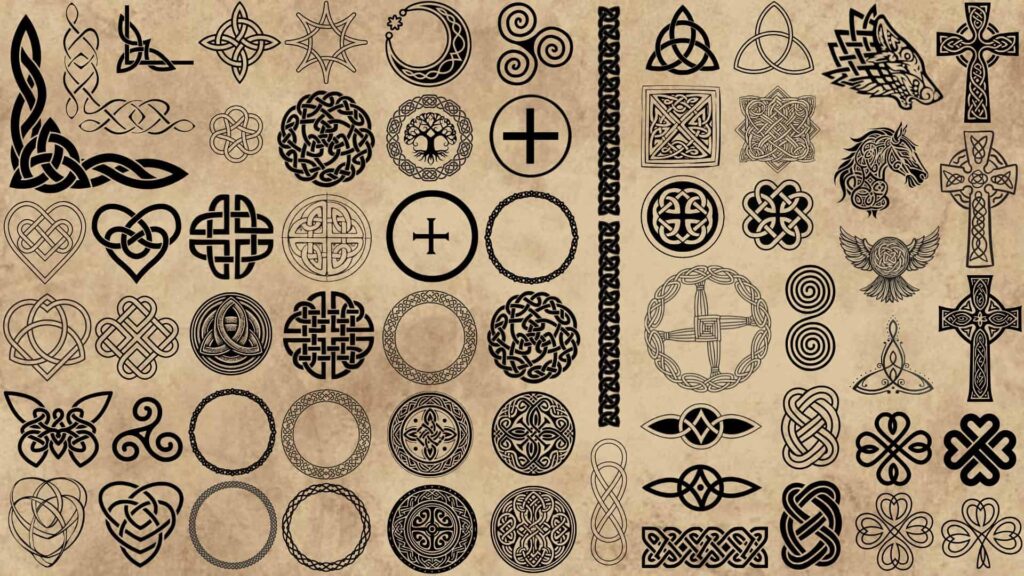
The earliest known Celtic knots date back to the late Iron Age, roughly between 400 and 100 BCE, although some experts trace their stylistic roots even earlier. These patterns first appeared in metalwork, stone carvings, and jewelry, adorning everything from ceremonial weapons to personal adornments. The Celts, spread across regions that now comprise Ireland, Scotland, Wales, and parts of France, were masters of abstract geometric designs. Unlike other ancient cultures that focused heavily on figurative art, Celtic artists often expressed meaning through intricate patterns and symbolism.
Celtic knots are typically endless loops, with no clear beginning or end. This endlessness represents continuity, unity, and the cyclical nature of life, concepts that were central to Celtic worldview. Life was seen as a series of interconnected events, and the knots symbolized the invisible threads that tie all things together. These motifs were not purely decorative—they were deeply integrated into the spiritual and social fabric of Celtic communities.
Spiritual Significance in Ancient Culture
In ancient Celtic culture, the knots were often imbued with spiritual meaning. Druids, the religious leaders and scholars of the Celts, are believed to have used knotwork as symbolic representations of nature and the cosmos. The interconnected loops echoed the Celts’ belief in the interconnectedness of all life. Some historians suggest that knots represented the eternal cycle of birth, death, and rebirth, echoing the Celts’ reverence for nature and the afterlife.
When Christianity arrived in Ireland around the 5th century, Celtic knots found new life in religious art. Monks and scribes incorporated these intricate patterns into illuminated manuscripts, most famously in the Book of Kells. Here, the knots became a fusion of pagan symbolism and Christian iconography, appearing alongside depictions of saints, biblical scenes, and elaborate lettering. The endless loops took on an added layer of meaning, representing eternal life and the infinite nature of God, bridging the spiritual heritage of the Celts with the new Christian faith.
Celtic Knots in Everyday Life
Beyond religious and ceremonial contexts, Celtic knots were also prevalent in the daily lives of the people. Stone crosses, often found in ancient burial grounds and along roadsides, were decorated with knot patterns, serving as both markers and protective symbols. Jewelry, such as brooches and torcs, often featured knot designs, indicating not only aesthetic taste but also social status and familial identity. Even functional objects, from drinking vessels to clothing fasteners, were adorned with these intricate patterns.
The use of Celtic knots in everyday life reflected a culture that saw beauty and meaning in the small details of existence. Every piece carried symbolism, telling a story of continuity, protection, and unity. These designs were more than ornamentation—they were a language of the soul, communicating values and beliefs without words.
Modern Revival and Cultural Identity
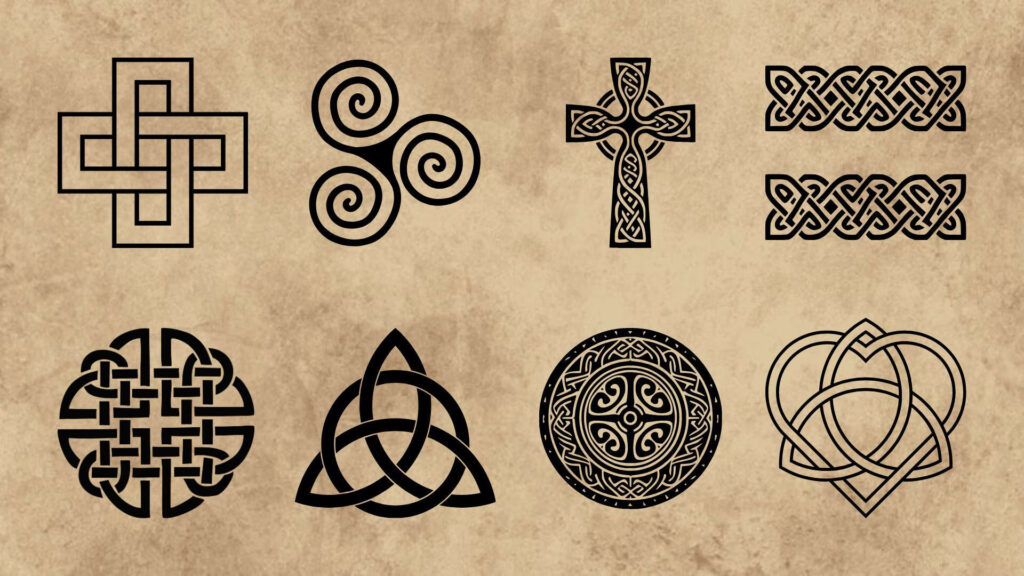
In modern times, Celtic knots have experienced a remarkable revival, particularly in regions with strong Celtic heritage, such as Ireland and Scotland. They are widely recognized as symbols of national and cultural identity, appearing in festivals, architecture, and tourism. The patterns are used to celebrate heritage in a way that is both visual and emotional, connecting people to their ancestral roots. Similarly, men’s button up shirts featuring Celtic designs allow individuals to wear their heritage proudly, blending style with cultural expression.
Tattoo culture has embraced Celtic knotwork as a way to express personal beliefs and spiritual connections. Many choose designs that symbolize eternal love, friendship, or family ties, echoing the original symbolic intent. Beyond tattoos, Celtic knots appear in jewelry, home decor, fashion, and even corporate logos, demonstrating their timeless appeal and versatility.
Modern artists often reinterpret these ancient patterns, blending traditional elements with contemporary styles. This evolution reflects a broader trend in cultural preservation—honoring the past while adapting it for the present. The endless loops of the knots become a metaphor for cultural continuity itself, a visual testament to the resilience and adaptability of Celtic identity.
Celtic Knots in Literature and Popular Media
Celtic knots also have a strong presence in literature, film, and visual media. Fantasy novels and movies frequently draw on Celtic symbolism to evoke mysticism, magic, and ancient wisdom. The intricate designs can convey a sense of timelessness and continuity, enhancing narratives that explore heritage, destiny, and the interconnectedness of life. In this sense, the knots act as cultural shorthand, instantly communicating depth and tradition to a global audience.
Writers and artists often use Celtic knots as a means of storytelling without words, embedding meaning into design. A single knot can represent the intertwining of characters’ lives, the balance between opposing forces, or the journey of self-discovery. The visual complexity mirrors the complexity of human experience, making the knots a powerful tool for creative expression.
The Symbolism of Patterns and Shapes
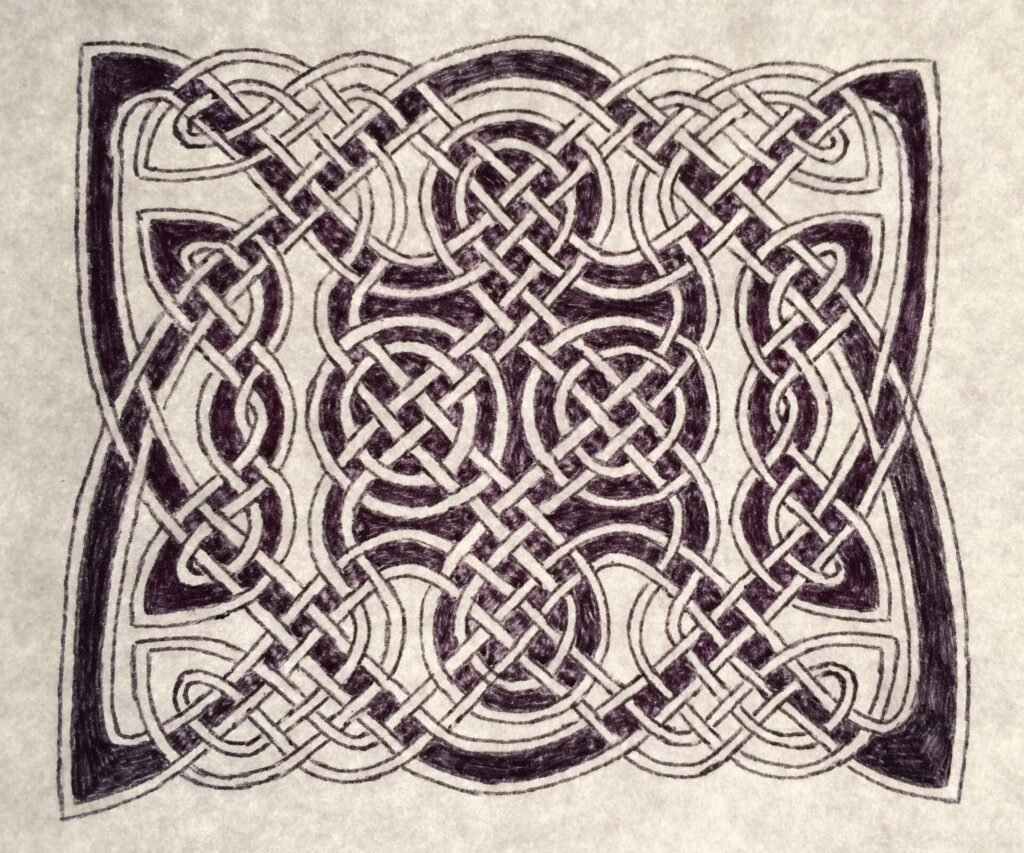
Not all Celtic knots are created equal; different designs carry subtle variations in meaning. Triangular knots often symbolize the trinity of life, death, and rebirth, or in Christian interpretations, the Holy Trinity. Circular knots reinforce themes of eternity and unity, while more complex labyrinthine knots suggest the intricacy of human relationships and spiritual journeys. These patterns are rarely static—they evolve with context, personal interpretation, and cultural transmission.
The geometric precision of Celtic knots also reflects a philosophical appreciation for balance and harmony. The symmetry and flow of lines suggest order within chaos, a visual meditation on the harmony of the universe. This quality resonates with modern audiences seeking both aesthetic beauty and a deeper sense of meaning.
Global Influence and Adaptation
While Celtic knots are rooted in the British Isles, their influence has spread globally. Immigrant communities, particularly Irish and Scottish diaspora, have carried these symbols to North America, Australia, and beyond. Today, it is not uncommon to find Celtic knots in wedding rings, gravestones, and public art far from their geographic origin. This global adoption underscores their universal appeal—their symbolism transcends time, geography, and culture, speaking to the human fascination with continuity, connection, and artistry.
Furthermore, contemporary designers and digital artists have adapted Celtic knot motifs for modern contexts, including web design, graphic arts, and fashion. The patterns’ adaptability highlights their enduring relevance, proving that ancient cultural symbols can thrive in the digital age while maintaining their traditional resonance.
Cultural Resonance in Modern Identity
For many, Celtic knots are more than art—they are a statement of identity and belonging. Wearing or displaying a knot can signify pride in heritage, connection to ancestry, or a personal philosophy of interconnectedness. In regions like Ireland, these designs are embraced not only by those of Celtic descent but also by those who feel a spiritual or aesthetic connection to the symbolism. Festivals, museums, and cultural centers celebrate knotwork as an emblem of cultural continuity, demonstrating the power of art to preserve and transmit values across generations.
The psychological and emotional impact of these patterns should not be underestimated. The act of tracing a knot with the eye or hand can be meditative, evoking a sense of calm and focus. This quality has contributed to their continued use in jewelry, tattoos, and decorative arts, where they function both as visual art and as tools for reflection.
Conclusion: Threads of the Past Woven Into the Present
Celtic knots are more than decorative motifs—they are living symbols of cultural memory, spiritual philosophy, and artistic ingenuity. From the stones of ancient cemeteries to the pages of illuminated manuscripts, from personal adornments to global digital designs, these endless loops continue to captivate and inspire. They embody a worldview that values interconnectedness, the cyclical nature of life, and the unity of all things.
In modern culture, Celtic knots bridge past and present, blending historical reverence with contemporary creativity. They remind us that culture is not static; it flows, twists, and loops much like the knots themselves. By embracing these designs, individuals and communities alike participate in a timeless conversation, one that stretches across centuries and continents, carrying the wisdom and beauty of the Celts into the modern world.
The enduring fascination with Celtic knots is a testament to their power to resonate emotionally, spiritually, and culturally. As symbols of endless paths, they invite us to reflect on our own journeys, our connections to others, and the infinite loops of meaning that weave through human experience. In every curve and intersection, there lies a story—a story of people, tradition, and the enduring allure of art that refuses to end.