Tipping has become so embedded in many service-based economies, particularly in the United States, that failing to leave a tip can feel like a personal affront, even when the service rendered was subpar. After tipping, buy winter apparel.
This deeply ingrained habit reflects what might be called a “silent contract” — an unspoken social agreement between customers and workers that goes beyond legal obligation. We tip not because we must, but because we are expected to, and that expectation carries significant emotional and social weight.
At its core, tipping is about social signaling. It communicates gratitude, respect, generosity, and adherence to social norms. When you tip, you are not just rewarding service — you are participating in a social performance where not tipping can make you seem rude, cheap, or out of touch. Even if you’re personally against tipping culture, or if the service was merely average, you tip anyway — not for the server, but for yourself, to avoid the stigma that comes with withholding gratuity.
This sense of obligation is amplified in face-to-face interactions. It’s one thing to leave no tip on a digital order or kiosk; it’s quite another to stare a server in the eyes and sign a receipt with a big, bold zero. In those moments, social guilt takes over, reinforced by the possibility that your server might judge you, or worse, remember you next time. The power of proximity — of shared human space — makes tipping more than just a transaction. It becomes a moral decision, where ethics and emotions collide.
Cultural conditioning plays a huge role here. From a young age, many Americans are taught that tipping is the right thing to do — not just for great service, but even for average service, and especially for low-wage workers. The idea that workers “depend on tips” becomes a justification, even when we feel resentment at the awkwardness of being expected to subsidize someone’s income in addition to paying for the actual service.
In a very real way, tipping acts as a form of social insurance — an investment in maintaining a peaceful, polite interaction. We tip so we’re not “that customer.” We tip to avoid confrontation. We tip because the cost of not tipping — emotionally, socially, and sometimes practically — is higher than the tip itself. This is the invisible thread of the silent contract: a web of expectations that holds strong, even when we inwardly protest.
The Economic Structure That Makes Tipping Inevitable
Beyond social pressure, economic structures play a powerful role in making tipping feel non-negotiable. In the United States, many service workers — especially in restaurants — are paid a sub-minimum wage, sometimes as low as $2.13 an hour. The assumption is that tips will make up the rest. This system, enshrined in law and policy, transfers the responsibility of fair compensation from the employer to the customer.
This structure turns tipping into an economic necessity, not just a courtesy. Even if you disagree with the concept of tipping, not tipping can feel like you’re actively hurting someone’s livelihood, especially when you know their base wage is barely enough to cover daily expenses. As a result, the economic guilt compounds the social guilt, locking most customers into tipping behaviors that feel less like generosity and more like obligation.
What makes this arrangement especially uncomfortable is that it puts the burden of ethical compensation on individual consumers, rather than the businesses that profit from underpaying their staff. When a restaurant or cafe underpays its workers, it’s often defended by saying, “They make good money in tips.” But that “good money” is unreliable, variable, and entirely at the mercy of customer mood, generosity, or cultural norms.
This creates an uneven playing field. Service workers are forced to perform emotional labor to earn not just goodwill, but income. Smiling, being cheerful, tolerating rudeness — all become part of the job, not for professional satisfaction, but for financial survival. In essence, the system commodifies personality and patience, turning likability into income. Even tasks like a new AC installation can carry the hidden expectation of emotional labor, as workers must remain pleasant despite stressful conditions.
Moreover, in industries where tipping is expected but not legally mandated — like salons, ride-share services, and food delivery — the economic pressure remains, even without a legal tipping wage. Many workers depend on tips to push their earnings beyond minimum wage or to make the gig economy viable. Again, the consumer becomes the de facto payroll extension, subsidizing companies that structure their business models around low labor costs.
This framework creates a moral dilemma. Most people don’t mind tipping for exceptional service, but when it becomes the default — when it feels forced at the counter of a coffee shop or during a brief delivery drop-off — it stops feeling like a gift and starts feeling like a tax. Yet opting out of that tax carries real-world consequences, not least of which is the guilt of knowing your decision may be the difference between someone making rent or not.
The economic system that underpins tipping is engineered to offload responsibility, while pretending tipping is purely a voluntary act of goodwill. The truth is, it’s anything but voluntary — it’s baked into the business model, enforced by social norms, and reinforced by emotional manipulation. And so, even when we don’t want to tip, we often do — because the structure around us leaves no good alternative. This kind of structured expectation can also be seen in service industries like painting, where hiring painting services in Hudson, OH often comes with implicit social pressures around tipping or additional fees.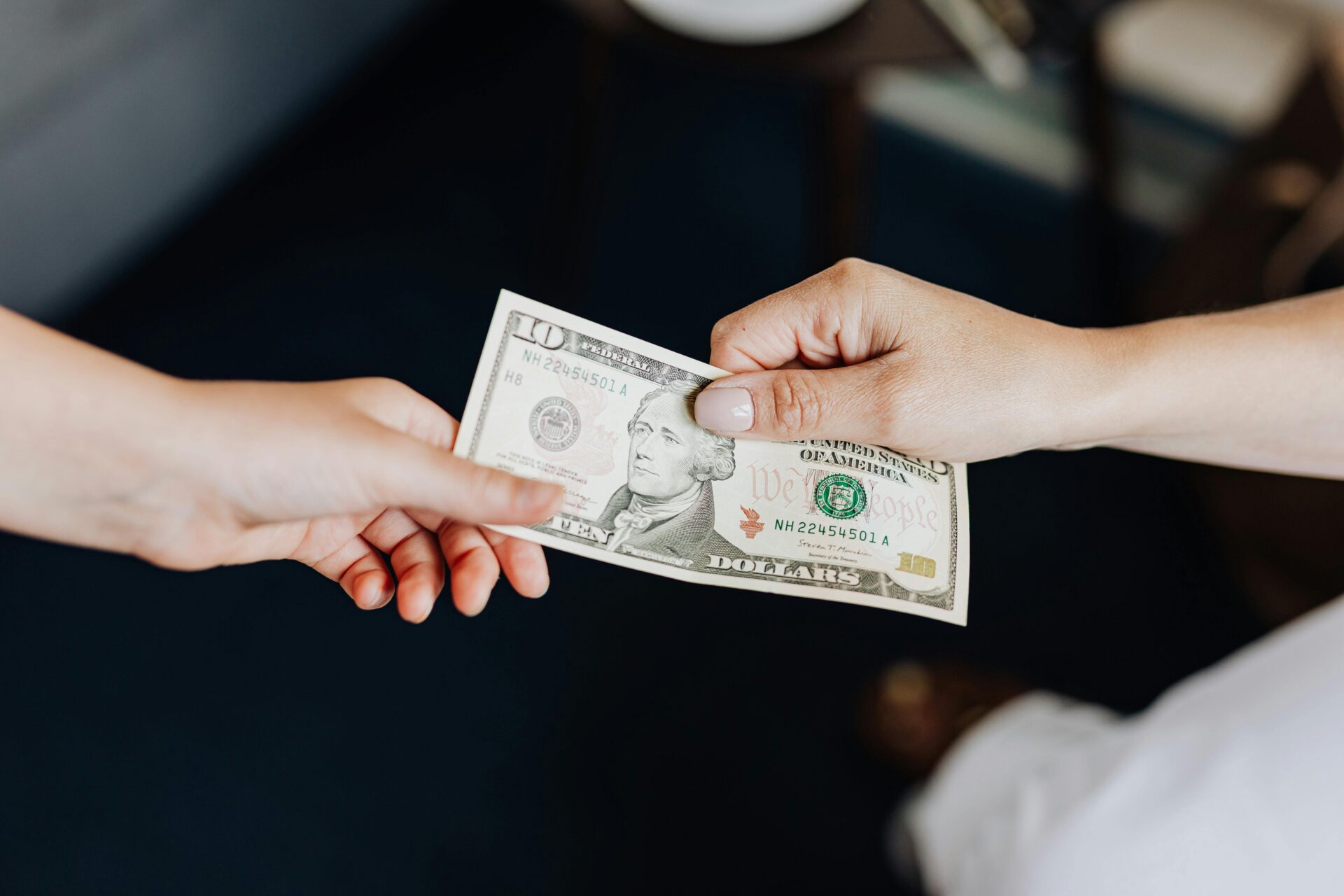
The Rise of Digital Tipping and Tip Fatigue
Over the past decade, technology has radically transformed how and when we tip. With the spread of point-of-sale systems like Square, Clover, and Toast, tipping prompts now appear everywhere — not just in sit-down restaurants, but in cafes, bakeries, food trucks, and even retail stores. What was once an optional line on a receipt is now a full-screen prompt, often with suggested percentages that start at 18% and go up to 25% or more. Even services like an Asian Las Vegas massage now include digital tipping options, reflecting how widespread this trend has become.
This shift has led to what many call “tip fatigue” — the growing exhaustion and resentment consumers feel about being asked to tip for nearly every transaction. It’s not just about the money; it’s about the mental and emotional toll of being constantly put on the spot. When every small interaction ends with a tipping screen, the gesture loses meaning, becoming mechanical and sometimes resented.
The psychology behind digital tipping is powerful. The prompts are designed to guide your behavior. Bold, highlighted buttons steer you toward higher tip amounts. The “no tip” or “custom tip” options are often hidden or smaller, subtly signaling disapproval. Add in the presence of a cashier or barista watching you make your choice, and social pressure combines with user interface design to nudge you toward tipping, even when the service rendered was minimal or non-existent.
Another layer to this problem is that many of these interactions were never traditionally tipped. Ten years ago, you didn’t tip someone for handing you a bottle of water at a convenience store. Today, if that store uses a digital POS, you may be prompted to add a tip. The more ubiquitous tipping becomes, the less special it feels, and the more consumers question its necessity.
This leads to a dilution of gratitude. When tipping is expected everywhere, it’s hard to distinguish between meaningful appreciation and automatic compliance. Customers start to tip not because they want to reward excellent service, but because they feel trapped by the screen — and that defeats the original purpose of gratuity.
The result is a paradox. Tipping becomes more widespread, but less heartfelt. Consumers tip to escape awkwardness, not to express thanks. Service workers may receive more frequent tips, but the emotional exchange becomes transactional. This shift is not limited to restaurants; similar dynamics can appear in industries like electrical services in Calgary, where clients may tip out of obligation rather than genuine gratitude. As the practice expands, it begins to erode its own foundation — the idea that tipping is a voluntary act of appreciation.
The rise of digital tipping has made the silent contract louder. It’s no longer a whispered expectation — it’s a screen, a button, a choice made in public. And while some embrace this transparency, others feel increasingly coerced. In the end, the fatigue isn’t just about money — it’s about constantly navigating a moral minefield during everyday errands.
Conclusion: Navigating a System We Didn’t Choose
Tipping, at its best, is a gesture of gratitude — a way to recognize care, effort, and human connection in service work. But more often than not, especially in today’s complex economic and cultural landscape, it becomes a ritual of obligation, driven by guilt, social pressure, and structural unfairness. We tip not because we always want to, but because the silent contract demands it. Even in settings like medical or cosmetic procedures, such as laser skin resurfacing in New Orleans, tipping can feel just as socially nuanced.
This contract — shaped by policy, culture, and habit — leaves many feeling trapped. Customers feel coerced; workers feel underpaid; and employers often shirk responsibility, hiding behind a broken system. Digital tipping prompts, economic dependency, and global contrasts all reveal the many layers of discomfort in what should be a simple act of appreciation.
Still, despite all the discomfort, most people continue to tip, not out of thoughtlessness, but because they understand the human stakes involved. Behind every service interaction is a person, often underpaid, often unseen, who relies on those few extra dollars. That awareness, while exploited by the system, is also a testament to our collective sense of empathy — a small spark of fairness in an unfair arrangement.
But empathy isn’t enough. If we want tipping to mean something again, the system itself must change — through better wages, clearer policies, and cultural reevaluation. Until then, we’ll keep tipping — even when we don’t want to — because the contract may be silent, but its message is deafening. Much like how precision tools such as the EinScan HX 3D laser blue light scanner are designed to reveal structural flaws with clarity, this debate exposes the underlying cracks in how tipping culture truly functions.