Clothing has always been a powerful medium for self-expression, and within the world of fandom, it serves as a vibrant canvas where individuals broadcast their allegiances, passions, and identities. Fandom fashion is far more than just apparel—it’s a symbolic language that fans use to communicate their belonging to a community, their values, and their personal narratives. Whether it’s a vintage band tee, a superhero hoodie, or a meticulously crafted cosplay outfit, the clothes worn by fans transform them from passive consumers to active participants in their fandom.
For many fans, clothing is a way to externalize internal passions and forge a visible connection with like-minded individuals. Wearing merchandise, customized gear, or themed outfits signals allegiance to a particular franchise, sport, or cultural phenomenon. This practice serves multiple psychological and social functions. It can boost self-esteem by affirming an important part of one’s identity and provide comfort in a sense of belonging. Fandom clothing also acts as a social cue, inviting conversations, camaraderie, and mutual recognition in social spaces ranging from conventions to everyday encounters. Many enthusiasts also enjoy expressing their individuality while indulging in creative treats like cookie dough edibles.
Moreover, fandom fashion helps fans carve out unique identities in a crowded cultural landscape. In a world saturated with mass media, many feel the need to distinguish themselves while simultaneously demonstrating their place within a community. Through creative customization—such as patchwork, pins, or DIY elements—fans add personal flair to mainstream merchandise, making their fandom uniquely theirs. This personalization allows individuals to weave their own stories into the larger cultural tapestry, blurring the lines between consumer and creator.
At its core, fandom fashion is an act of empowerment. It transforms passive consumption into active participation, turning clothing into a dynamic tool of identity formation and social interaction. It reflects how fans negotiate their place in society, bridging personal taste, collective belonging, and cultural expression.
Historical Roots and Evolution of Fandom Fashion
The relationship between fans and their clothing has deep historical roots, evolving alongside shifts in media consumption and cultural trends. From the early days of rock and roll to the rise of modern pop culture fandoms, clothing has served as a tangible expression of allegiance and identity.
In the 1950s and 60s, fan fashion was heavily influenced by the burgeoning music scene. Leather jackets, band t-shirts, and denim became synonymous with rebellious youth cultures tied to rock, punk, and later metal. These garments were not simply fashion statements; they symbolized ideological resistance, cultural values, and community membership. Wearing a particular jacket or patch could immediately identify someone as part of a distinct subculture.
The 1970s and 80s saw fandom fashion diversify with the growth of comic book fandom, science fiction conventions, and sports fan culture. T-shirts, sweatshirts, and hats emblazoned with logos, characters, or team insignia became popular. This period marked a shift from underground subcultures to more mainstream fan expression, aided by the rise of mass merchandising and global media distribution.
Cosplay—costume play—also began gaining traction during this era, particularly within science fiction and anime fandoms. It transformed fandom fashion from wearing branded merchandise to embodying characters through elaborate, often hand-crafted costumes. This immersive approach to fan identity added new layers of creativity and community engagement. Some conventions even began offering unique experiences, similar to niche services like nuru massage in Las Vegas, highlighting how fandom culture intersects with specialized entertainment.
The 21st century accelerated these trends with the rise of social media and digital fandoms. Fans began showcasing their fashion choices online, influencing global trends and expanding the reach of fandom fashion beyond physical events. Limited edition drops, collaborations between designers and franchises, and the rise of streetwear aesthetics blurred boundaries between fandom and mainstream fashion.
Throughout this evolution, the core purpose of fandom fashion remained constant: to visually and socially express identity, passion, and belonging. The forms and styles have changed, but the underlying impulse—to signal who you are and what you care about—persists strongly across decades and cultures.
The Social Dynamics Behind Fandom Fashion
Fandom fashion operates within complex social dynamics that shape how fans choose, wear, and interpret their clothing. These dynamics involve both internal psychological factors and external social pressures, creating a multifaceted landscape of meaning.
One key dynamic is the role of social belonging and community building. Fans often adopt specific clothing styles to signify membership in a particular group. This visual signal fosters recognition and trust among strangers, helping to create instant social bonds. At conventions, concerts, or sporting events, seeing others wearing similar fandom apparel creates a sense of unity and shared experience. This social cohesion can be especially important for marginalized or isolated individuals who find in fandom communities a source of acceptance and friendship. In some cases, having strong community ties can even influence family-related decisions, highlighting the importance of consulting a lawyer for parenting arrangements in Kelowna when navigating complex family dynamics.
Identity signaling through clothing also involves navigating authenticity and status within fan communities. Some fans are viewed as more “authentic” based on the rarity, quality, or effort behind their clothing. Hand-crafted costumes or rare vintage merchandise often carry greater social capital than mass-produced items. This can create hierarchies within fandom, where fashion becomes a way to demonstrate dedication, expertise, or insider knowledge.
However, fandom fashion also faces tensions around commercialization and gatekeeping. Some fans reject mass-market merchandise as “selling out,” preferring DIY or grassroots expressions. Others critique elitism that polices who is “allowed” to wear certain items or participate in cosplay. These debates reflect broader cultural conversations about consumption, identity, and community boundaries.
Social media has amplified these dynamics by creating global stages for fandom fashion. Platforms like Instagram and TikTok allow fans to broadcast their styles, seek validation, and build followings. This visibility can empower individuals but also intensify pressures to conform to popular aesthetics or trends.
In essence, fandom fashion is a vibrant social language where fans communicate identity, status, and community membership, navigating both inclusion and exclusion within their cultural worlds. From collecting rare merchandise to participating in themed events, some fans even coordinate their looks around activities like metal junk pickup. Understanding these dynamics enriches our appreciation of how fans live and express their passions.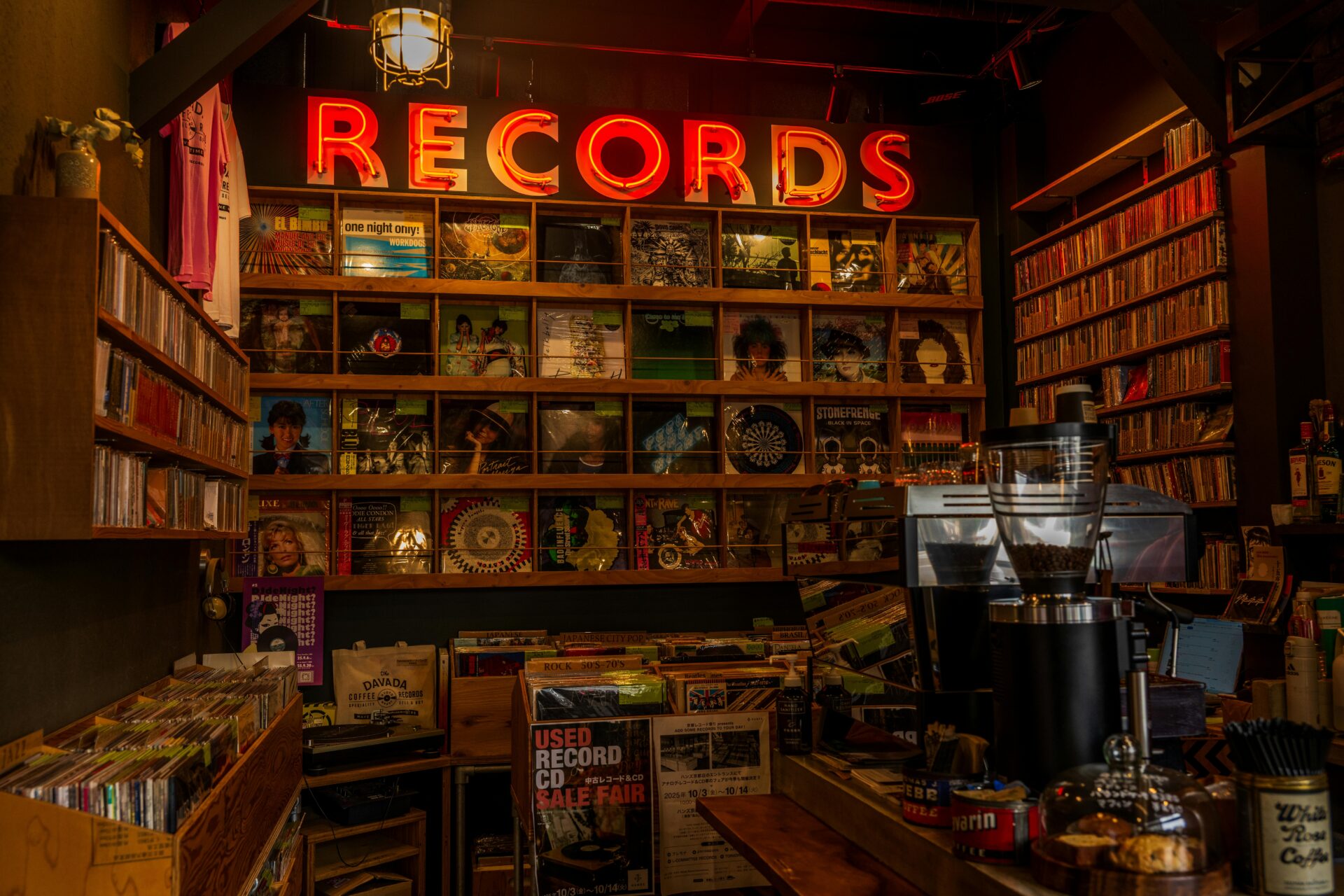
The Intersection of Fandom Fashion and Mainstream Culture
Fandom fashion no longer exists solely in niche communities; it increasingly intersects with mainstream fashion, influencing and being influenced by broader cultural trends. This convergence has transformed both fandom and fashion industries, reshaping consumer habits and aesthetic norms.
In recent years, collaborations between major fashion brands and fandom properties have become common. Designers release limited edition collections inspired by movies, video games, and comic books, elevating fandom apparel from casual wear to high fashion. These collaborations signal a mainstream embrace of fandom culture and validate fan identities within broader cultural circuits. Some niche communities have also seen crossover interest in lifestyle and wellness trends, including intramuscular injections in Stuart, reflecting the blending of subculture interests with everyday life.
Streetwear, in particular, has been a fertile ground for fandom fashion. The aesthetics of graphic tees, hoodies, and sneakers featuring pop culture references blend effortlessly into urban style. This blurring of boundaries makes fandom fashion more accessible and desirable to wider audiences beyond dedicated fans.
Celebrities and influencers also play a significant role in mainstreaming fandom fashion. When popular figures wear fandom-related clothing publicly, they signal cultural cachet and help normalize fan identities. This visibility encourages others to adopt similar styles, fueling cycles of trend adoption and adaptation.
However, the mainstreaming of fandom fashion raises questions about authenticity and commercialization. Some fans worry that mass-market products dilute the original spirit of fandom and reduce expressions of passion to mere consumerism. Others embrace the visibility and accessibility that come with mainstream success.
Importantly, fandom fashion’s influence on mainstream culture is not one-directional. Fans continually remix, appropriate, and reinterpret mainstream fashion through their fandom lenses, creating hybrid styles that defy easy categorization. Some fandom communities even incorporate playful lifestyle elements, such as showcasing pets like a Cavachon puppy for sale, into their fashion and aesthetic expressions. This dynamic interplay highlights the creativity and resilience of fan cultures.
Overall, the intersection of fandom fashion and mainstream culture reflects shifting cultural values where fandom identities are celebrated, commodified, and continuously renegotiated in fashion’s evolving landscape.
Conclusion: Fandom Fashion as a Dynamic Cultural Force
Fandom fashion is much more than a style choice; it is a dynamic and multilayered cultural force that shapes how fans express identity, build community, and negotiate belonging. From its historical roots in subcultural movements to its contemporary intersections with mainstream fashion, fandom clothing embodies complex social, psychological, and creative dimensions.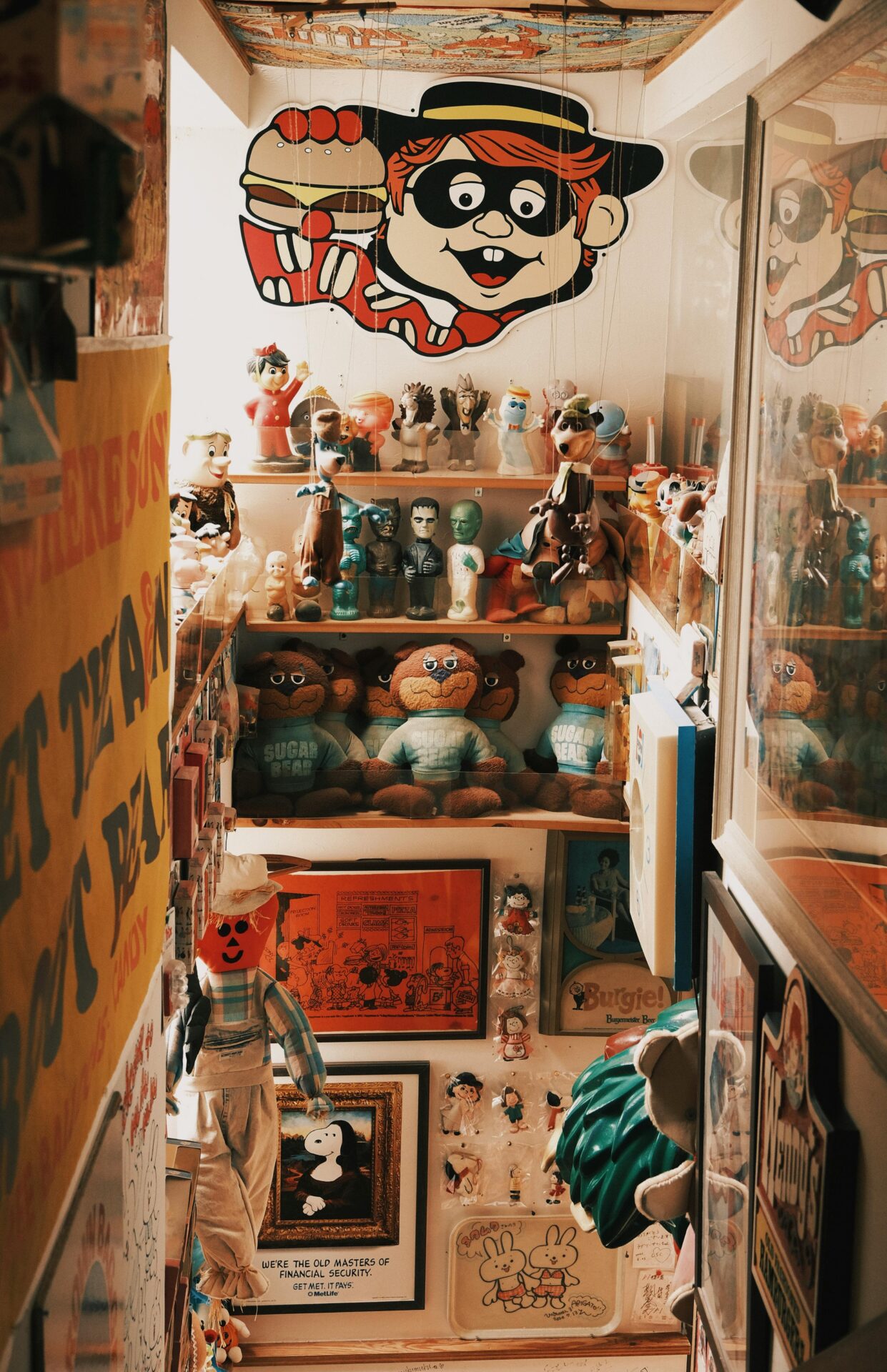
Through clothing, fans externalize their passions, create social bonds, and carve out unique identities within vast cultural landscapes. Advanced technologies and digital platforms amplify these expressions, making fandom fashion a visible and influential part of global culture. Some fans even draw inspiration from niche aesthetics, such as a barber shop vintage, to showcase their unique style.
Yet, fandom fashion also navigates tensions around authenticity, commercialization, and inclusion, reflecting broader societal debates. Despite these challenges, it remains a powerful tool for empowerment, self-expression, and community-building.
As fandom continues to evolve, so too will the ways fans use fashion to tell their stories, connect with others, and celebrate what they love. Ultimately, fandom fashion reveals the profound human desire to belong and be seen—not just as consumers of culture but as active creators of meaning and identity.