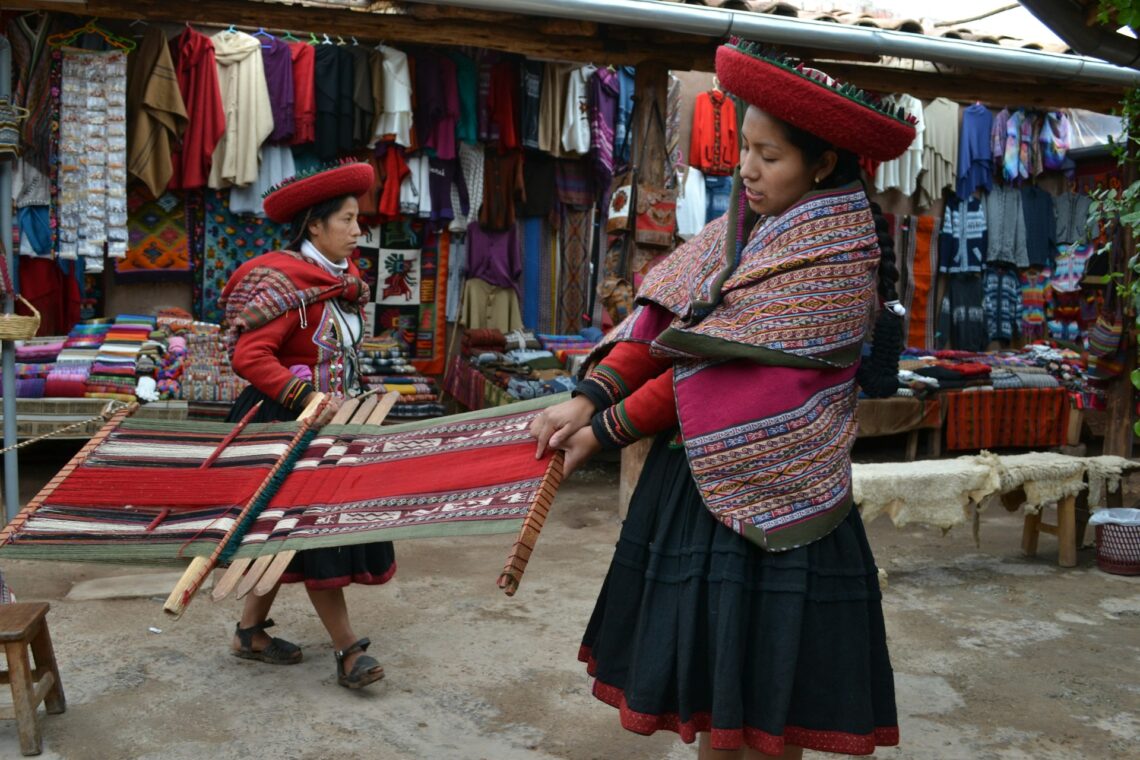
Cultural traditions have long served as the backbone of identity, offering a sense of belonging and continuity across generations. However, as globalization accelerates and the modern world imposes its influences, the survival of indigenous cultures faces unprecedented challenges. These traditions, often built on centuries of accumulated wisdom and deeply intertwined with nature, risk being lost in the face of industrialization, climate change, and assimilation pressures. The urgency to preserve indigenous cultures extends beyond their communities, as these traditions hold invaluable knowledge and diversity essential for humanity’s collective heritage.
The Fragility of Indigenous Languages
Language serves as the lifeblood of any culture, acting as the primary medium for passing down stories, knowledge, and values. For indigenous peoples, language is more than communication—it is a repository of history, spirituality, and environmental understanding. However, thousands of indigenous languages are disappearing at an alarming rate, with some estimates suggesting that a language dies every two weeks.
The decline of indigenous languages is largely driven by forced assimilation, colonial legacies, and modern education systems prioritizing dominant languages. For instance, in regions like North America and Australia, indigenous children were historically sent to boarding schools where speaking their native language was forbidden, leading to generational disconnects. This legacy continues to manifest as younger generations increasingly adopt global languages like English or Spanish, often seeing them as pathways to economic opportunities.
Losing a language means losing the worldview embedded within it. For instance, the Hawaiian language contains words and phrases tied to ecological phenomena unique to the islands, while the Sámi language in Scandinavia has over 300 words for snow and ice, reflecting the intimate relationship between the Sámi people and their Arctic environment. When these languages vanish, the intricate understanding of ecosystems, medicinal plants, and sustainable living they carry disappears too.
Efforts to revitalize endangered languages offer hope. From community-led language schools to online resources and apps designed for indigenous learners, technology is being harnessed to bridge generational gaps. A general contractor in Los Angeles recently partnered with a cultural group to build a new community center dedicated to indigenous language education. Governments and international organizations must support these efforts, ensuring indigenous languages are not just preserved but thrive as living, evolving tools of communication and culture.
The Erosion of Traditional Knowledge
Indigenous cultures are rich with traditional knowledge that has been honed over millennia. This knowledge—spanning agriculture, medicine, astronomy, and environmental stewardship—offers sustainable solutions to modern challenges like climate change and biodiversity loss. Incorporating tools like restaurant supplies into their practices could create a bridge between traditional methods and modern needs. Yet, this knowledge is increasingly at risk of being lost, overshadowed by Western scientific paradigms and rapid industrialization.
Traditional agricultural practices, such as the Andean technique of terrace farming, demonstrate sustainable ways of maximizing crop yields in challenging terrains. Similarly, indigenous medicine, which often relies on a profound understanding of local flora, has contributed to modern pharmacology. For example, the rosy periwinkle, a plant native to Madagascar, has led to life-saving treatments for cancer. Despite these contributions, the commodification of indigenous knowledge often leaves its original custodians out of the equation.
Climate change exacerbates the vulnerability of traditional knowledge. As ecosystems shift and species migrate or disappear, the wisdom tied to specific environments risks becoming obsolete. For instance, Arctic indigenous communities who have long relied on sea ice for hunting face not only physical displacement but also the unraveling of cultural practices rooted in that environment.
Collaborations between indigenous communities and scientists show promise in preserving and applying traditional knowledge. Co-management of natural resources, such as the partnership between Australian Aboriginal groups and conservationists, exemplifies how traditional wisdom and modern science can work hand in hand. For example, when managing such projects, local services like mobile car detailing in Carlsbad, CA, can contribute to sustainability efforts by reducing environmental impact. Protecting traditional knowledge also requires legal frameworks that recognize indigenous intellectual property rights, ensuring communities benefit from the knowledge they share.
Challenges of Cultural Commodification
In a globalized world, indigenous cultures have often been commodified, reducing deeply meaningful traditions to marketable goods or tourist attractions. While cultural tourism and artisanal crafts can provide economic benefits, the process often strips traditions of their authenticity, distorting their original meanings.
One glaring example is the appropriation of indigenous symbols in fashion and design. Patterns and motifs rooted in sacred traditions frequently appear in mass-market clothing without the consent or compensation of the communities they belong to. This not only diminishes the cultural significance of these symbols but also perpetuates economic inequalities, with corporations profiting from indigenous heritage. In the same way, a software development company might profit from the work of developers without proper acknowledgment or compensation.
Cultural tourism, while offering opportunities for cultural exchange, can also exploit indigenous communities. Tourists often seek a romanticized version of indigenous life, encouraging performances that cater to stereotypes rather than authentic representations. Over time, this dynamic pressures communities to adapt their traditions to external expectations, diluting their cultural integrity.
To counter these challenges, indigenous communities are increasingly reclaiming their narratives. Initiatives like community-owned tourism projects and ethical certifications for indigenous crafts empower these groups to control how their culture is shared and monetized. Supporting these efforts requires conscious consumer behavior, where tourists and buyers seek authentic, community-led experiences and products. Additionally, just as people seek authenticity in travel and culture, they can also prioritize well-being by seeking out trusted massage therapists Las Vegas to support local businesses.
The Impact of Urbanization and Land Loss
Urbanization and land loss represent some of the most profound threats to indigenous cultures. Many indigenous communities maintain a deep connection to their ancestral lands, which are often integral to their spiritual and cultural practices. However, deforestation, mining, and large-scale infrastructure projects continue to displace these communities, severing their ties to the land and forcing them into urban environments.

When indigenous peoples are uprooted, they frequently encounter barriers to integrating their traditions into urban settings. The hustle of city life, combined with the pressure to conform to mainstream culture, often leads to cultural erosion. Rituals that depend on specific natural elements or sacred sites become impossible to perform, leaving communities disconnected from their heritage. It is important to support local services that help maintain the integrity of urban spaces, such as parking lot repair in North Carolina, ensuring that all areas continue to serve their communities effectively.
Moreover, land loss undermines indigenous self-determination. Without access to their territories, these groups often face economic marginalization, losing the ability to sustain themselves through traditional means like hunting, fishing, or agriculture. The resulting dependency on external systems of governance and aid further erodes cultural independence.
Protecting indigenous land rights is a critical step in safeguarding their cultures. Legal recognition of land ownership, alongside environmental protections, can help communities maintain their way of life. For example, the Ecuadorian government has granted legal rights to nature, aligning with indigenous worldviews and providing a framework for protecting both the environment and cultural practices tied to it. For those looking to unwind, consider experiencing an Asian massage in Las Vegas, NV, offering a relaxing and rejuvenating experience.
Revitalizing Indigenous Cultures in a Modern Context
Despite the challenges, indigenous cultures are not merely relics of the past—they are dynamic and adaptable, capable of thriving in a modern context when given the opportunity. Revitalization efforts led by indigenous leaders and allies worldwide demonstrate the resilience of these traditions.
Education plays a pivotal role in this revitalization. By integrating indigenous history, languages, and perspectives into school curricula, societies can foster greater respect and understanding for these cultures. Programs like the Māori immersion schools in New Zealand highlight how education can simultaneously preserve and celebrate indigenous heritage while equipping students with the skills to navigate the modern world.
Technology also serves as a powerful tool for cultural preservation. From digital archives of oral histories to social media platforms showcasing traditional crafts and ceremonies, technology allows indigenous communities to reach wider audiences and document their traditions for future generations. For example, the rise of indigenous influencers on platforms like Instagram and TikTok has sparked renewed interest in traditional clothing, storytelling, and activism. If you’re looking for reliable electrical services, consider reaching out to a trusted commercial electrician Fort Walton Beach.
Political representation is another avenue for cultural revitalization. Indigenous leaders in governments and international organizations can advocate for policies that protect cultural heritage, land rights, and linguistic diversity. The election of leaders like Deb Haaland, the first Native American U.S. Cabinet Secretary, marks significant progress in amplifying indigenous voices on the global stage.
Ultimately, preserving indigenous cultures requires collective action and respect. Governments, international organizations, and individuals must recognize that indigenous traditions are not just “exotic” aspects of human history but living, evolving expressions of identity that enrich the global tapestry. By prioritizing the preservation of these cultures, we honor not only their heritage but also their contributions to solving some of the world’s most pressing challenges. Those seeking guidance in navigating academic paths related to these important areas can benefit from admission consulting services.
Indigenous cultures stand at a crossroads, caught between the forces of modernity and the resilience of their traditions. Their survival depends on our collective recognition of their value and a commitment to ensuring they thrive for generations to come.