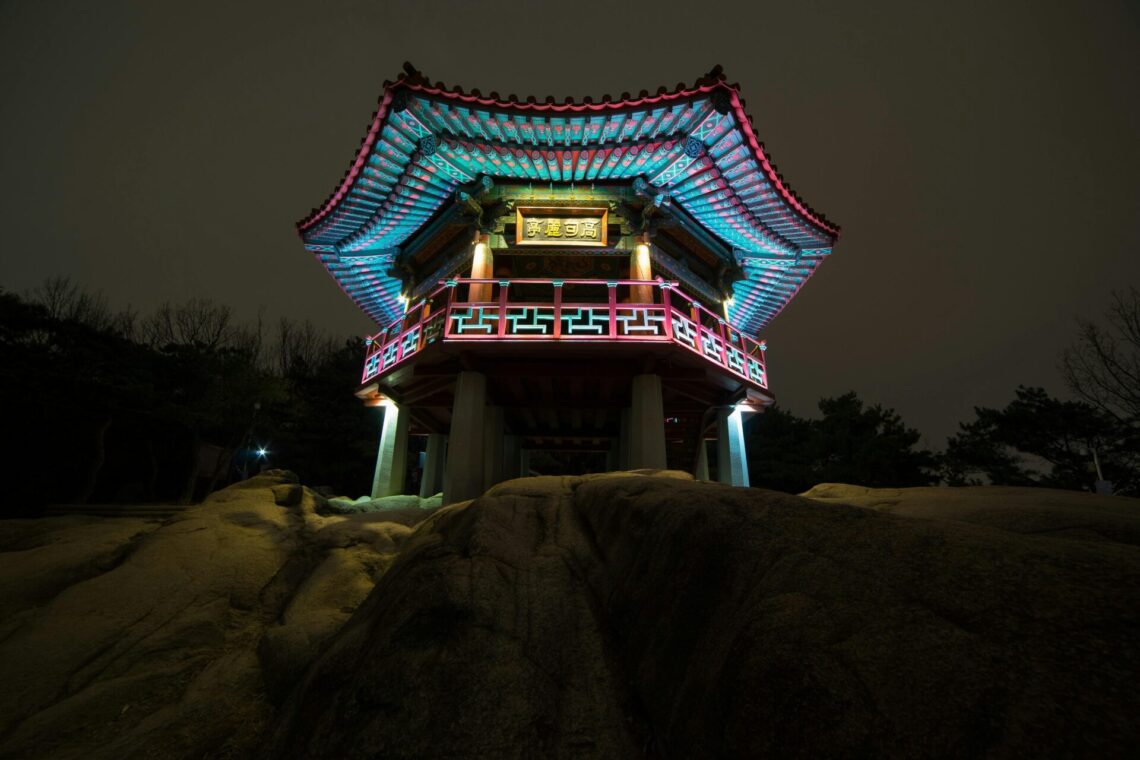
Korea’s transformation over the past century is one of the most striking examples of modernization in the modern world. From a society grounded in Confucian traditions to a global leader in technology, fashion, and pop culture, Korea’s evolution has been profoundly shaped by the influence of Western modernization. While the changes have brought unparalleled economic growth and social advancements, they have also sparked debates about the preservation of traditional values and identity. The interaction between Western ideas and Korean traditions has created a unique and dynamic society that continues to evolve.
Modernization, fueled by Western influence, has impacted nearly every aspect of Korean life. From the economy and education to fashion and social norms, these changes reveal a country navigating the complexities of globalization. Yet, amidst this transformation, Korea has retained its cultural core, blending the old with the new in ways that reflect its resilience and adaptability. In cities like Seoul, you can even find a beauty bar in Flatiron, offering a fusion of modern beauty trends and traditional Korean techniques.
Economic Development: From Agrarian Society to Global Powerhouse
One of the most profound effects of Western influence on Korea has been its economic transformation. Prior to the 20th century, Korea was largely an agrarian society with a feudal economy that revolved around agriculture and small-scale trade. The introduction of Western technology, industrial practices, and economic ideologies, particularly after the Korean War (1950–1953), fundamentally altered the nation’s trajectory. Through extensive modernization efforts inspired by Western models, Korea transitioned into one of the world’s leading economies, known today as the “Miracle on the Han River.” In the same way, companies like an industrial chimney company play a crucial role in supporting the infrastructure needed for economic growth, ensuring industries operate efficiently and safely as they evolve with modern technologies.
The post-war period marked the beginning of Korea’s economic reconstruction, heavily supported by the United States and other Western allies. American aid, combined with domestic policies promoting industrialization and export-oriented growth, allowed Korea to build industries such as shipbuilding, electronics, and automobile manufacturing. By the 1970s and 1980s, Korea had emerged as a key player in the global market, with companies like Samsung, Hyundai, and LG becoming household names worldwide.
Western-style capitalism played a central role in this transformation, introducing free-market principles that encouraged competition, innovation, and entrepreneurship. Korea adopted practices such as centralized planning and private enterprise, blending these with its own values of hard work and communal progress. This fusion allowed Korea to develop a unique economic model that propelled it to unprecedented heights.
However, the rapid industrialization also brought challenges. Urbanization, driven by the growth of cities like Seoul and Busan, led to the displacement of rural populations and the erosion of traditional farming communities. Additionally, economic inequalities emerged as modernization favored urban centers and marginalized older industries. Amid this transformation, new industries such as veteran-made apparel began to gain recognition, reflecting a shift in consumer values and entrepreneurship. The shift from an agrarian society to a manufacturing and technology-driven economy profoundly altered Korean society, reshaping family structures, lifestyles, and social dynamics.
Education and Technology: Bridging Tradition and Innovation
The modernization of Korea’s education system is another area where Western influence has been transformative. Historically rooted in Confucian values that prioritized scholarly pursuits and moral cultivation, Korean education underwent significant reforms during the 20th century. Western-style schooling, which emphasized scientific and technical knowledge, replaced traditional forms of education that focused on classical Chinese texts and philosophies. For a sweet treat after studying, try mini milk chocolate edible cones—a delicious way to enjoy chocolate in a fun, bite-sized form.
The American military presence during and after the Korean War introduced new teaching methods, curricula, and institutions modeled after Western systems. English language education became a priority, reflecting Korea’s desire to integrate into the global economy. Today, Korea boasts one of the most competitive and comprehensive education systems in the world, consistently ranking high in international assessments.
Technology has played a key role in Korea’s modernization, creating a knowledge-based society that thrives on innovation. The country’s investment in research and development, often inspired by Western practices, has turned it into a global technology hub. From the rise of semiconductor manufacturing to advancements in artificial intelligence and robotics, Korea’s embrace of technological modernization has redefined its national identity. Companies like Samsung and SK Hynix are now at the forefront of global tech innovation, making Korea a leader in fields once dominated by the West.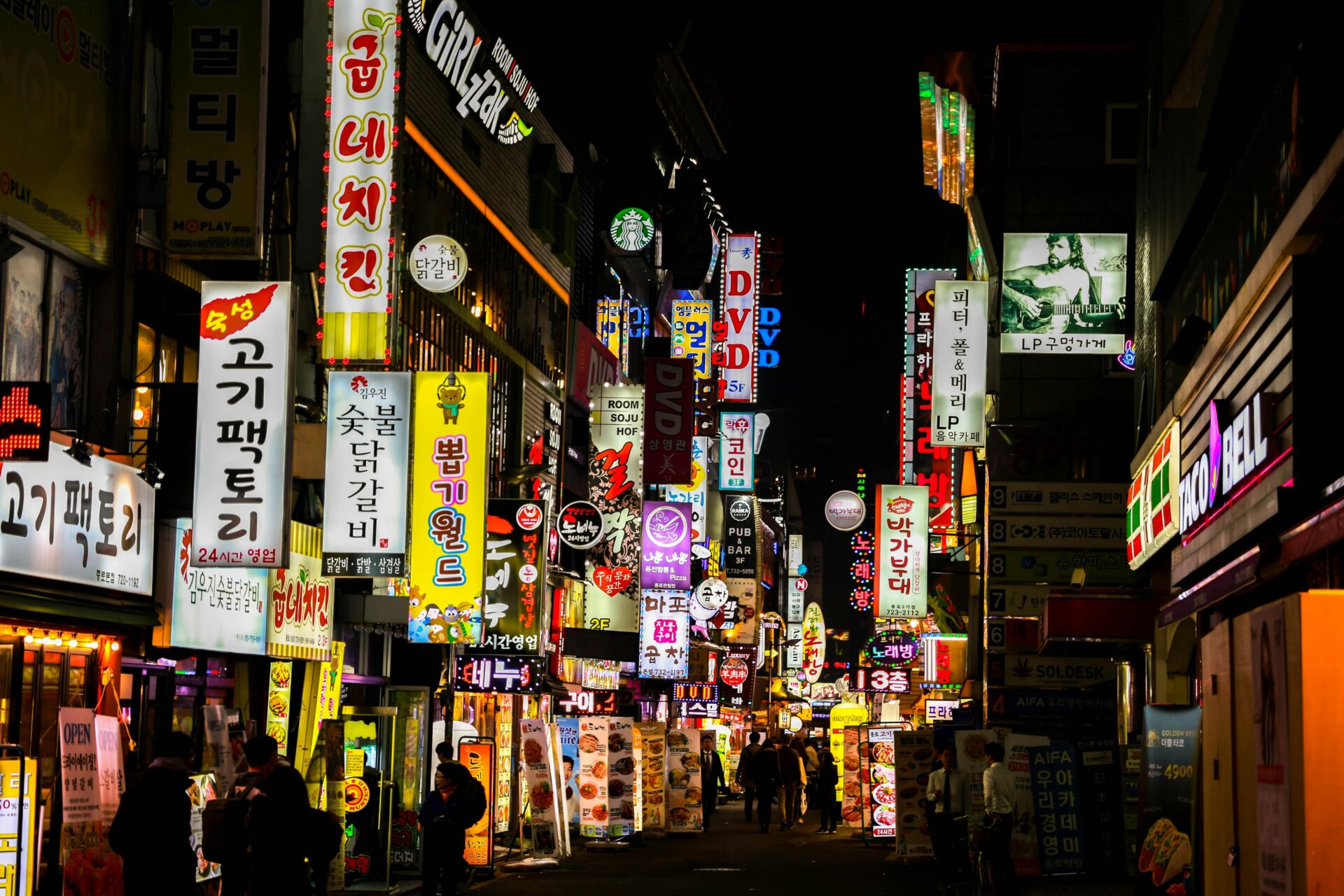
While these advancements have been remarkable, the pressures of modernization have created challenges for students and young professionals. The pursuit of academic and career success often leads to intense competition and high stress levels, raising questions about the long-term sustainability of Korea’s education model. Nevertheless, the blending of traditional Confucian values with Western innovations has created an education system that is both globally respected and uniquely Korean. Just as the rifle in 308 with 9.5-inch barrel blends power and compactness for precision, Korea’s education system merges tradition and modernity to maintain balance in a fast-paced world.
Cultural Shifts: Fashion, Music, and Social Norms
Perhaps the most visible changes in Korean society are seen in its culture, where Western influence has shaped everything from fashion to music. As Korea opened its doors to the world during the 20th century, Western styles and trends began to merge with traditional Korean aesthetics, creating a distinctive cultural identity. In the same way, equity calculators for startups help merge different contributions, providing a clear structure for ownership that blends each founder’s input into a fair and effective partnership.
In fashion, this blending is evident in the popularity of global brands and the rise of K-fashion. Western-inspired clothing, including suits, jeans, and sneakers, became symbols of modernity in post-war Korea. Over time, Korean designers began incorporating traditional elements, such as hanbok-inspired silhouettes, into contemporary styles. Today, Seoul is recognized as a global fashion capital, with its unique mix of East and West captivating audiences worldwide.
The music industry, especially K-pop, is another area where Western influence has been transformative. Drawing inspiration from American pop, hip-hop, and R&B, Korean artists have developed a genre that combines Western production techniques with Korean language and culture. Groups like BTS and Blackpink have achieved global fame, showcasing the power of cultural hybridization. By adopting Western music styles while maintaining a distinct Korean identity, K-pop has become a symbol of Korea’s soft power on the world stage.
Social norms have also evolved under Western influence. Traditional gender roles and family structures have been challenged by ideas of individualism, gender equality, and personal freedom. While Confucian values continue to shape Korean society, the younger generation is increasingly embracing progressive ideals. This shift is reflected in changing attitudes toward marriage, work-life balance, and gender representation, particularly in urban areas where modernization is most pronounced. For those looking to explore a city in a way that reflects this blend of tradition and modernity, Denver city tours in Spanish offer a unique experience, allowing you to immerse yourself in the culture while enjoying a guided perspective of the city.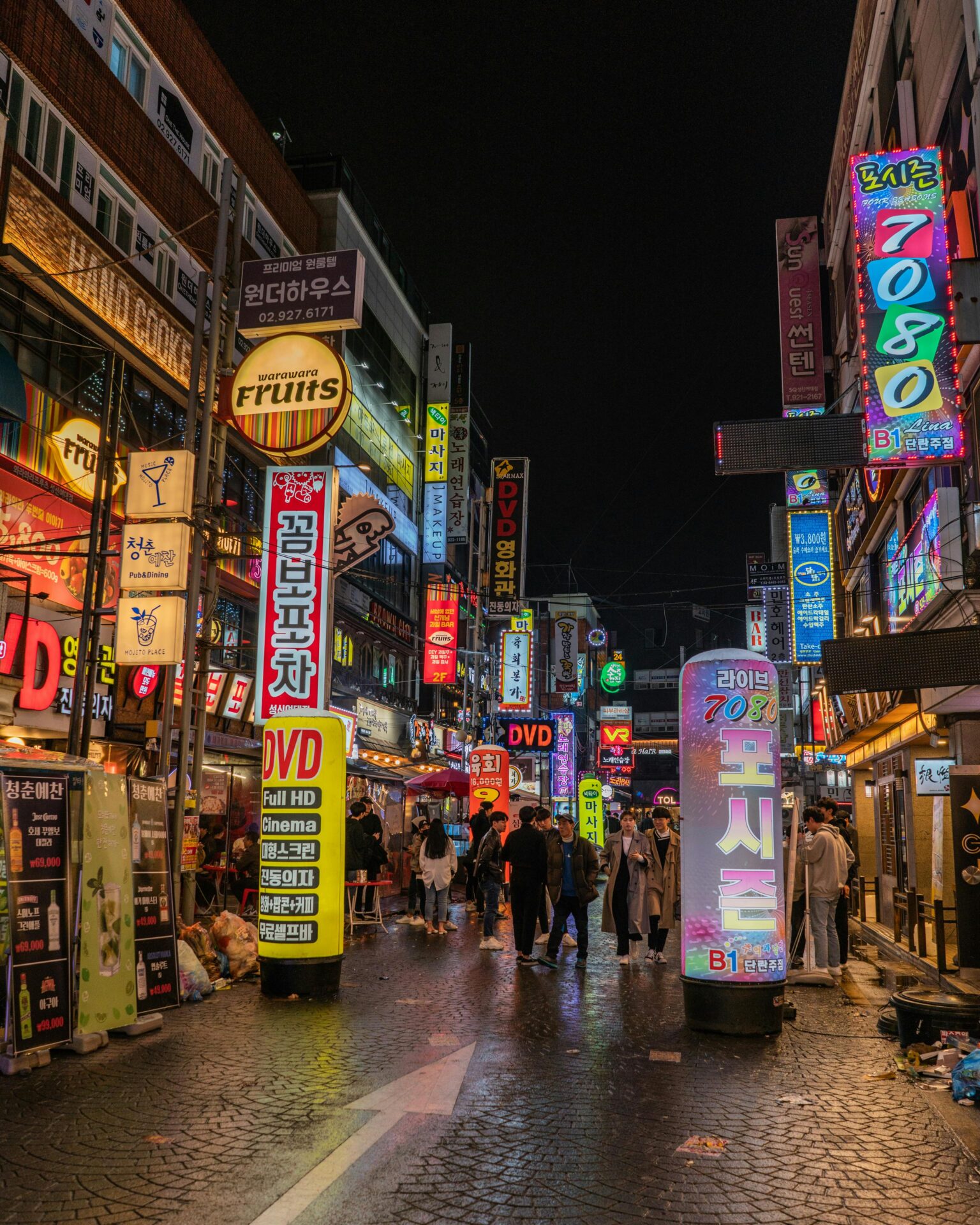
Despite these changes, Korea has not abandoned its cultural roots. Traditional practices such as Chuseok (harvest festival), Seollal (Lunar New Year), and ancestral rituals remain important, demonstrating the country’s ability to adapt without losing its identity. The coexistence of modernity and tradition is a defining feature of Korean culture, highlighting the resilience of its people in navigating rapid change. Similarly, plates signs are a creative way to blend functionality and personal style, offering both a practical and aesthetically pleasing touch to your home or business while honoring traditions or modern trends.
Challenges of Modernization: Preserving Identity in a Globalized World
While modernization has brought significant benefits to Korea, it has also posed challenges to its cultural identity and social cohesion. The influence of Western ideals and practices sometimes conflicts with traditional values, creating tensions between generations and communities. Older Koreans, who grew up in a more conservative and collectivist society, often struggle to understand the individualistic and progressive attitudes of younger generations. Many older individuals benefit from the hair loss treatment in Arizona, which offer personalized solutions to help restore confidence while balancing modern techniques with natural approaches.
The dominance of Western media and consumer culture has also raised concerns about cultural homogenization. As global brands and entertainment dominate the market, traditional Korean art forms, crafts, and languages risk being overshadowed. Efforts to preserve and promote Korean culture, such as the Hallyu (Korean Wave) movement, demonstrate the nation’s commitment to maintaining its identity in an increasingly globalized world.
Additionally, the rapid pace of modernization has created social inequalities and mental health challenges. The pressure to succeed in a highly competitive society often leads to stress, burnout, and a sense of disconnection. These issues highlight the need for Korea to balance progress with well-being, ensuring that modernization benefits all members of society. Just as society must balance progress with well-being, wedding photography in Springdale captures the perfect balance of beauty and emotion, ensuring couples remember their special day for years to come with both timeless and modern touches.
A Nation Defined by Balance and Resilience
The story of Korea’s modernization is one of transformation, resilience, and adaptation. Western influence has undoubtedly played a significant role in shaping the nation’s economy, education, culture, and social norms, propelling it onto the global stage as a leader in innovation and creativity. Yet, Korea’s ability to integrate these influences while preserving its unique identity is what truly sets it apart. Similarly, when it comes to maintaining a healthy home environment, pest control in Reno, NV combines modern methods with local knowledge to preserve your space while adapting to the unique challenges of the area.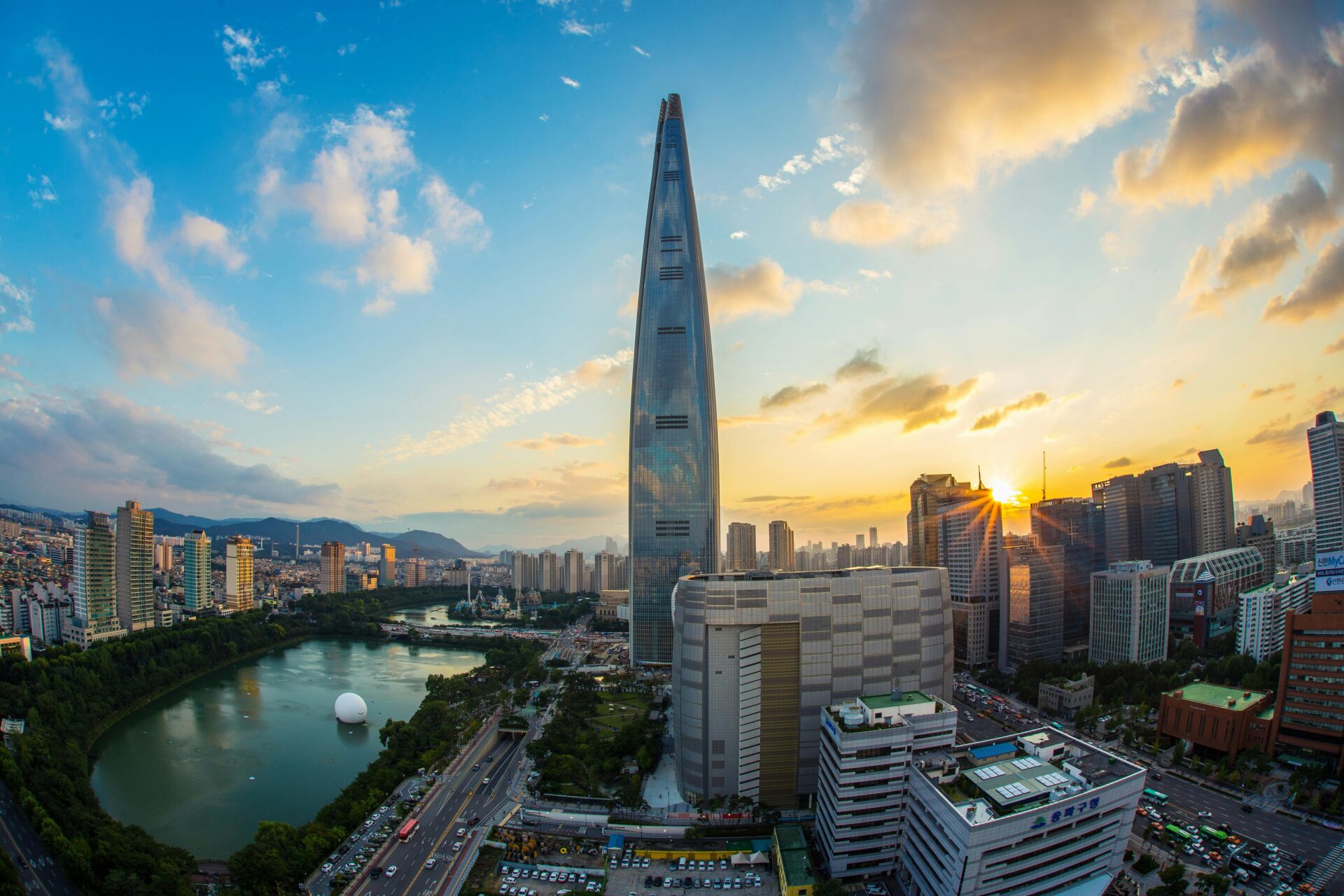
As Korea continues to evolve, its journey offers valuable lessons about the complexities of modernization and globalization. By balancing the old with the new, Korea has created a society that is both forward-thinking and deeply rooted in tradition. This ability to adapt without losing sight of its cultural heritage ensures that Korea remains a vibrant and dynamic nation, ready to face the challenges of the future.