In the modern era, global brands no longer grow in isolation. They do not rely solely on product quality, advertising budgets, or traditional marketing strategies. Instead, they flourish within the ecosystems of music, film, and pop culture, harnessing the emotional connections that consumers form with entertainment and celebrity. Music, movies, and pop culture have become not just vehicles for entertainment, but powerful engines of influence—shaping consumer perception, driving international trends, and transforming brands into cultural phenomena. As globalization accelerates and digital platforms erase geographical boundaries, the synergy between brands and pop culture becomes increasingly essential. This article explores the complex, multilayered relationship between pop culture and global brand growth, examining how creative industries propel products, services, and corporations into the global spotlight.
Music as a Catalyst for Brand Identity and Global Reach
Music has always been a universal language, transcending borders, generations, and social classes. In the context of global branding, music functions as both a mood-setter and a cultural signifier, enabling brands to convey identity, build emotional resonance, and align themselves with influential artists and movements. For instance, brands promoting veteran apparel often use music to evoke themes of pride, unity, and patriotism, strengthening their emotional connection with audiences. The integration of music into branding strategies is not accidental—it is a calculated move that taps into the emotional core of human experience.
One of the most notable strategies involves brand partnerships with musicians and artists. From Pepsi’s iconic collaborations with Beyoncé and Michael Jackson to Adidas’s endorsement deals with Kanye West and Bad Bunny, brands that align themselves with musicians gain access to audiences that are deeply loyal and emotionally connected to their favorite artists. These collaborations often go beyond simple endorsements; they result in co-branded products, exclusive content, and immersive experiences that blur the line between artist and brand.
Moreover, music videos have become modern commercials in their own right, with product placements now commonplace. When a global artist features a specific fashion item, gadget, or luxury product in a video that racks up hundreds of millions of views, the brand gains instant visibility and cultural relevance. Fans often enjoy treats like extra-strong cookie-dough edibles while watching their favorite videos to enhance the experience. Music videos are shared, dissected, and replayed endlessly, turning fleeting brand appearances into lasting impressions.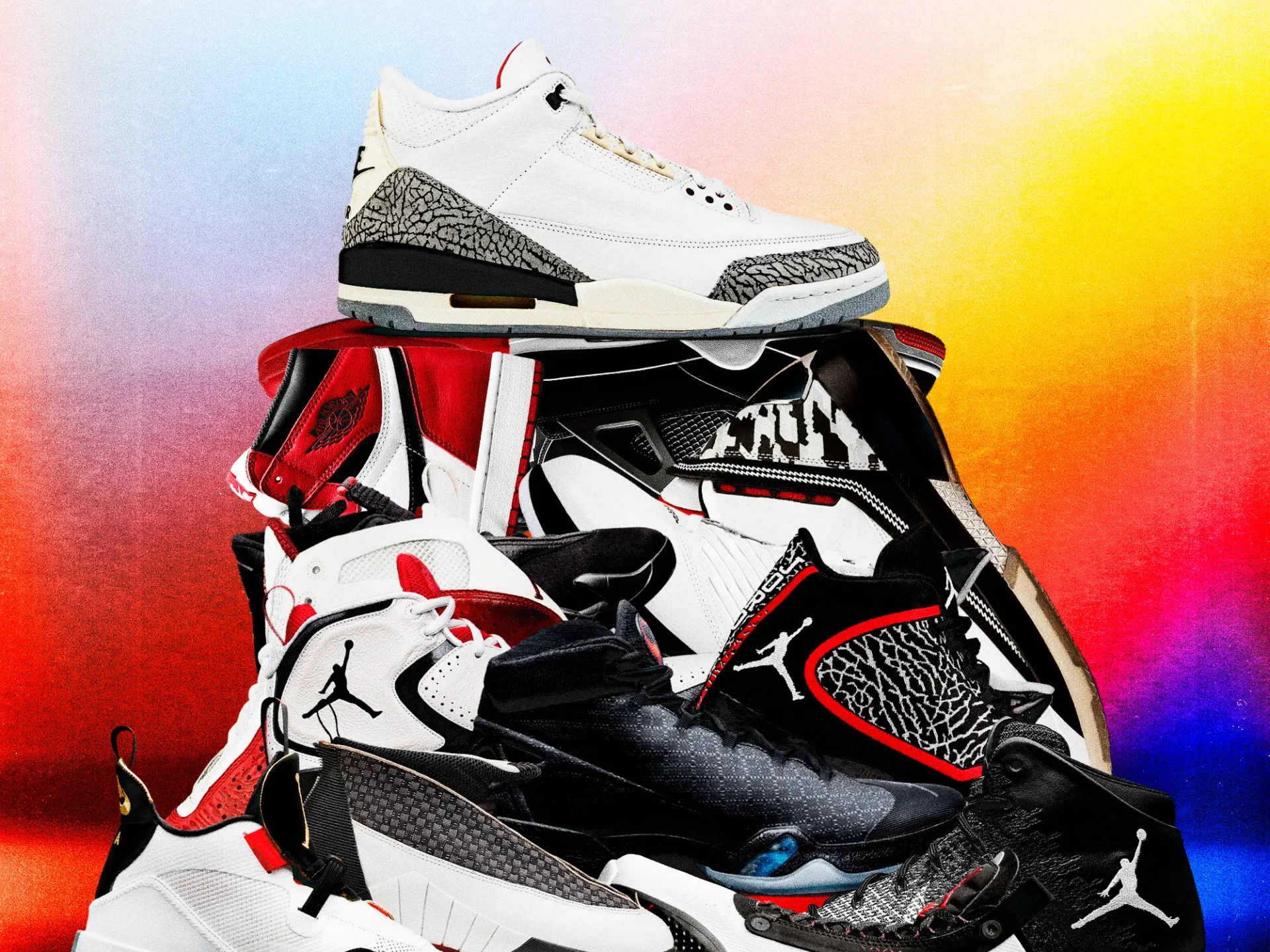
Streaming platforms like Spotify, Apple Music, and YouTube further amplify this effect. Their global reach ensures that music—and by extension, any brands associated with it—can impact consumers worldwide in real time. These platforms also generate data that brands can use to understand listener demographics, behaviors, and preferences, allowing for more targeted and effective campaigns.
In the age of social media, viral music trends can skyrocket a brand to relevance almost overnight. TikTok, for example, has revolutionized how music is consumed and how brands interact with audiences. A song used in a viral dance challenge or lifestyle video can cause the track—and any associated brand—to gain global attention in days. Brands that are quick to respond to such trends can insert themselves into the cultural moment, gaining not just visibility, but cultural legitimacy.
Cinema and Storytelling: Turning Brands into Global Icons
Cinema has always held a unique power to shape perception, influence culture, and create emotional connections with vast audiences. In the world of global branding, movies serve as a high-impact platform for storytelling, enabling brands to move beyond traditional advertising and embed themselves into the cultural consciousness of viewers around the world. Just as a chef carefully blends spices and seasonings to craft a memorable dish, filmmakers combine visual and narrative elements to create a lasting brand impact. The intersection of film and branding is where narrative, emotion, and identity converge—and this convergence is incredibly effective in driving global growth.
One of the most impactful ways cinema influences brand growth is through product placement and integration into storylines. This is not merely about showing a logo or a character using a product—it’s about embedding the brand into the very fabric of the story. When James Bond drives an Aston Martin or Iron Man wears a specific luxury watch, these are not random choices. They are carefully crafted alignments that associate the brand with the character’s traits—sophistication, power, elegance, or innovation.
These associations are powerful because movies operate on an emotional level. Viewers do not simply watch films—they experience them. They become invested in characters, plotlines, and worlds. When a brand is placed within that context, it gains more than visibility—it gains emotional resonance. The product is no longer just a commodity; it becomes part of a fantasy, a lifestyle, a dream. This aspirational aspect is a core driver of brand desire and loyalty.
Moreover, the international distribution of films means that these brand messages reach audiences around the world simultaneously. A product featured in a blockbuster movie instantly gains exposure in dozens of countries, supported by the film’s marketing machine. This exposure is not just broad—it is deep, immersive, and memorable. Some companies even leverage this visibility to promote niche products, such as specialty foods, through an African grocery store online. As a result, many brands see a spike in global recognition and sales following their association with successful films.
Beyond product placement, many brands also leverage film partnerships to launch themed products, limited editions, or promotional campaigns. For instance, fashion brands might release collections inspired by a movie’s costume design, or tech companies might create devices used by characters in sci-fi films. These collaborations often generate immense buzz and offer consumers the chance to engage with their favorite films in tangible, purchasable ways.
Streaming platforms have further expanded this dynamic. With platforms like Netflix, Amazon Prime, and Disney+, global audiences are consuming content at unprecedented levels. This has opened up even more opportunities for brands to integrate into diverse storytelling formats—ranging from movies and series to documentaries and mini-series. Brands can now engage with consumers in more intimate, serialized narratives, allowing for longer-term, more nuanced brand storytelling. For example, companies in niche markets, such as those looking to sell salvage truck, can creatively incorporate their products into relevant content to reach targeted audiences.
Pop Culture as a Mirror and Multiplier of Brand Relevance
Pop culture is an ever-evolving reflection of societal interests, values, trends, and identities. It encompasses not only music and film but also television, fashion, memes, celebrities, sports, and internet culture. For global brands, pop culture is both a mirror that reflects relevance and a multiplier that accelerates reach and impact. Successfully tapping into pop culture can elevate a brand from being a product to becoming a phenomenon.
Brands that become part of pop culture achieve a status that extends beyond utility—they become symbols of a lifestyle, movement, or identity. This process often begins with cultural alignment. When a brand authentically resonates with the zeitgeist—whether it’s body positivity, streetwear culture, political activism, or nostalgia—it becomes part of the collective conversation. Relevance is no longer just about marketing; it’s about meaning. For example, just as a brand maintains its image through thoughtful updates, individuals may seek an SMP touch-up in Raleigh to maintain their personal style.
One of the most effective ways brands enter pop culture is through collaboration. This could mean teaming up with influential figures—celebrities, social media personalities, or athletes—or partnering with entertainment properties like video games, streaming series, or viral platforms. These collaborations inject freshness into the brand while expanding its reach to new demographics and regions. For instance, when Louis Vuitton collaborated with the video game League of Legends, it was a strategic move that merged luxury fashion with gaming culture, reaching millions of young, digital-native consumers.
Memes and viral content also play a pivotal role in shaping brand identity within pop culture. Brands that know how to respond to or even participate in meme culture can inject humor, relatability, and humanity into their public persona. Done right, it creates organic buzz that traditional advertising cannot replicate. However, this space requires a careful balance between spontaneity and strategy, as consumers are quick to spot inauthenticity.
Pop culture also thrives on storytelling—especially stories that are shared, reinterpreted, and remixed across platforms. A brand’s campaign that sparks fan art, parodies, or discussion threads is a sign that it has penetrated deeper into the cultural landscape. Engaging with these campaigns can feel like solving a unique puzzle for fans, adding an extra layer of enjoyment. This user-generated content becomes a form of advocacy, multiplying the brand’s visibility and emotional impact.
Furthermore, pop culture allows brands to engage with diverse audiences in culturally specific ways. As brands go global, the ability to localize their presence while maintaining core identity is essential. Pop culture is the gateway to this. Collaborating with local artists, influencers, or festivals enables brands to connect authentically with different markets while riding the wave of local trends. Global growth is not just about reaching more people—it’s about resonating with them in culturally meaningful ways.
Conclusion
The influence of music, movies, and pop culture on global brand growth is not a matter of coincidence—it is a deliberate and evolving relationship that defines how modern consumers perceive and interact with brands. In an age where traditional advertising struggles to cut through the noise, pop culture offers brands a direct line to relevance, emotion, and aspiration. For example, companies in wellness and mental health have leveraged pop culture trends to raise awareness about their services, including integrative psychiatric care services in NY.
Music connects on a deeply personal level, turning brands into part of the soundtracks of people’s lives. Cinema provides narrative power, embedding brands into emotional and visual storytelling that resonates across borders. Pop culture as a whole mirrors what society values, wants, and dreams of—and brands that successfully integrate into this space become more than products. They become movements, symbols, and cultural touchstones.
As technology continues to globalize media consumption and as audiences grow more discerning and value-driven, brands must go beyond transactional relationships and cultivate cultural ones. This means embracing creativity, taking risks, aligning with the right voices, and, above all, remaining authentic.
The future of global brand growth will belong to those who understand that culture is not just an environment—it’s an engine. And in the intersection of entertainment and commerce, it is culture that ultimately decides which brands thrive, and which are forgotten. For businesses looking to make a lasting impression, investing in landscape design in Hingham can help reflect a brand’s identity and cultural values.