Cultural traditions are the bedrock of human society, providing a sense of identity, continuity, and belonging. These traditions are often passed down through generations, but perhaps the most significant contributors to the preservation and evolution of these customs are the elders within communities. Elders serve as guardians of cultural heritage, offering wisdom and knowledge accumulated over lifetimes. Their roles vary greatly across cultures, but their influence is universally profound. This article explores the critical role elders play in shaping cultural traditions around the globe, highlighting specific customs and practices from diverse regions.
The Role of Elders in Cultural Transmission
Elders occupy a unique position within their communities as custodians of knowledge and experience. Their life stories, teachings, and practices form a rich tapestry of cultural identity that can be shared with younger generations. This transmission of knowledge often occurs through storytelling, ceremonies, and informal gatherings, where elders recount historical events, folk tales, and moral lessons.
In many Indigenous cultures, elders are considered the living embodiment of their people’s history. For instance, among the Native American tribes, the role of elders is vital for preserving oral traditions. Stories that explain the creation of the world, the significance of natural elements, and the values of the community are passed down through these narratives. Elders are not just storytellers; they are the keepers of cultural wisdom that guides the community’s ethics and practices.
Furthermore, the role of elders extends beyond storytelling. They often serve as advisors in decision-making processes, providing insights rooted in traditional knowledge. This is particularly evident in communities that rely heavily on ancestral practices for agriculture, medicine, and governance. In places like Bhutan, for example, community elders play a pivotal role in discussions about land use, blending modern needs with traditional practices.
Elders in African Cultures
In many African cultures, elders are revered as the pillars of the community. Their influence is integral to the social structure, embodying values such as respect, wisdom, and continuity. Traditional African societies often function through a system of communal decision-making, where elders hold significant authority. They are consulted on matters ranging from family disputes to the selection of community leaders.
For example, in the Maasai community of Kenya and Tanzania, elders are responsible for teaching younger generations about customs, such as cattle herding and traditional rituals. The rites of passage, including circumcision and warrior initiation, are heavily guided by the knowledge and supervision of elders. These ceremonies not only mark significant life transitions but also reinforce communal bonds and cultural identity.
Moreover, elders often engage in traditional healing practices, utilizing indigenous knowledge of herbs and rituals. This blend of medicine and spirituality underscores the belief that health is interconnected with community and environment. In many African cultures, the elder’s role as a healer is not merely about physical well-being but also about maintaining harmony within the community.
Elders in Asian Cultures
In various Asian cultures, respect for elders is deeply embedded in societal norms and values. Confucianism, which has significantly influenced countries like China, South Korea, and Japan, emphasizes filial piety and the importance of family hierarchy. Elders are seen as a source of wisdom and authority, and their opinions are highly valued in family decisions. As a celebration of this cultural appreciation, you can find men’s t-shirts for sale that reflect these values.
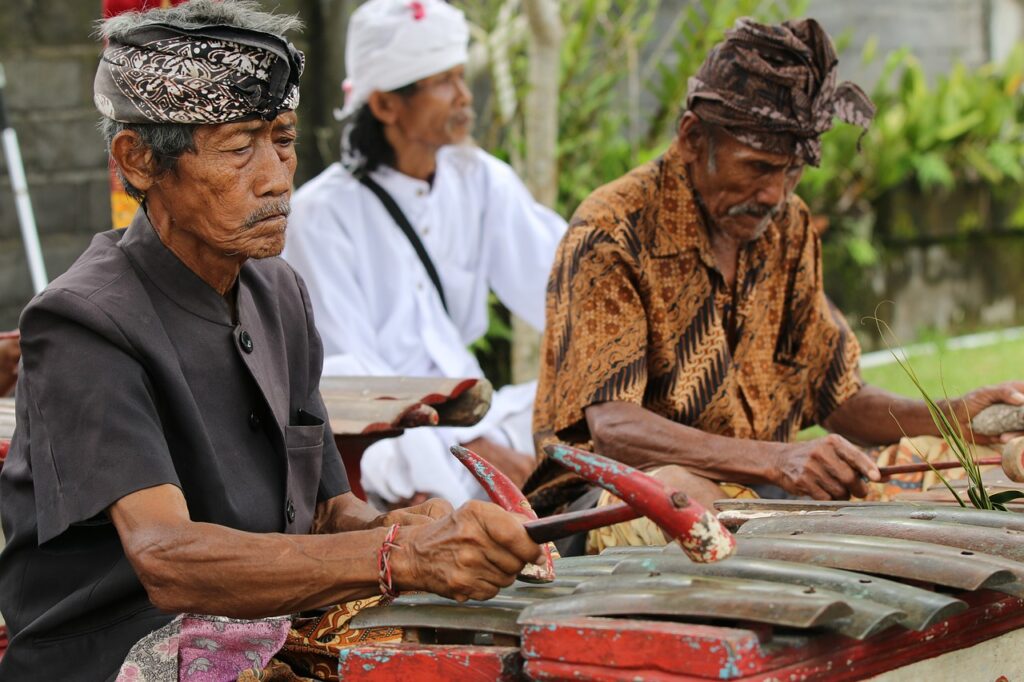
In Japan, for instance, the concept of “obōsan” (grandmother) and “ojīsan” (grandfather) reflects the cultural reverence for elderly individuals. Elders are not only respected within the family but also play a crucial role in community life. Traditional Japanese festivals often feature performances and contributions from elder community members, showcasing their skills in arts like calligraphy and traditional music. These activities serve to highlight the connection between generations and reinforce cultural identity.
Similarly, in India, elders are revered figures in the family and community. The traditional practice of joint families allows elders to share their wisdom and experiences with younger members. In many Indian households, elders often provide guidance on religious rituals, marriages, and family matters. The role of elders in passing down cultural practices is paramount, as they serve as a bridge between the past and the present. For those looking to explore cultural fashion options, there are great choices for online dress shopping UAE that reflect both tradition and modernity.
Elders in Indigenous Cultures
Indigenous cultures around the world place immense value on the wisdom of elders. These individuals are often viewed as the custodians of knowledge that is vital for the community’s survival. In Australian Aboriginal cultures, elders play a central role in preserving language, traditions, and spiritual beliefs. They are tasked with teaching younger generations about the Dreamtime stories that explain their creation and connection to the land.
In North America, many Indigenous groups have similar practices. For example, among the Inuit people, elders are critical for teaching survival skills and traditional hunting practices. The Inuit way of life is deeply intertwined with the Arctic environment, and elders pass down essential knowledge about navigation, animal behavior, and the importance of conservation. Through storytelling and hands-on experiences, elders ensure that their community maintains its cultural identity and connection to the land.
Moreover, the role of elders in these cultures often extends into community governance. Decisions about resource management and communal activities are typically made with the input of elder councils, reflecting a holistic approach that considers both immediate and long-term implications. This model emphasizes sustainability, underscoring the value of traditional ecological knowledge. For residents seeking effective solutions for their properties, pest control in Hillsborough can play a crucial role in maintaining a healthy environment.
Elders in Western Cultures
While the role of elders may differ in Western cultures, their influence remains significant. In many cases, the wisdom of elders is recognized through community programs and initiatives that honor their contributions. In the United States and Canada, various organizations focus on elder mentorship, bridging the gap between generations and ensuring that valuable skills and knowledge are passed down. For added comfort and convenience in homes with elderly family members, many have opted for automatic window blinds in Colorado Springs.
Elders in Western societies also play a crucial role in family dynamics. Grandparents, for example, often take on supportive roles in child-rearing, offering guidance and emotional support to their grandchildren. This relationship not only benefits the younger generation but also allows elders to maintain a sense of purpose and connection to their family.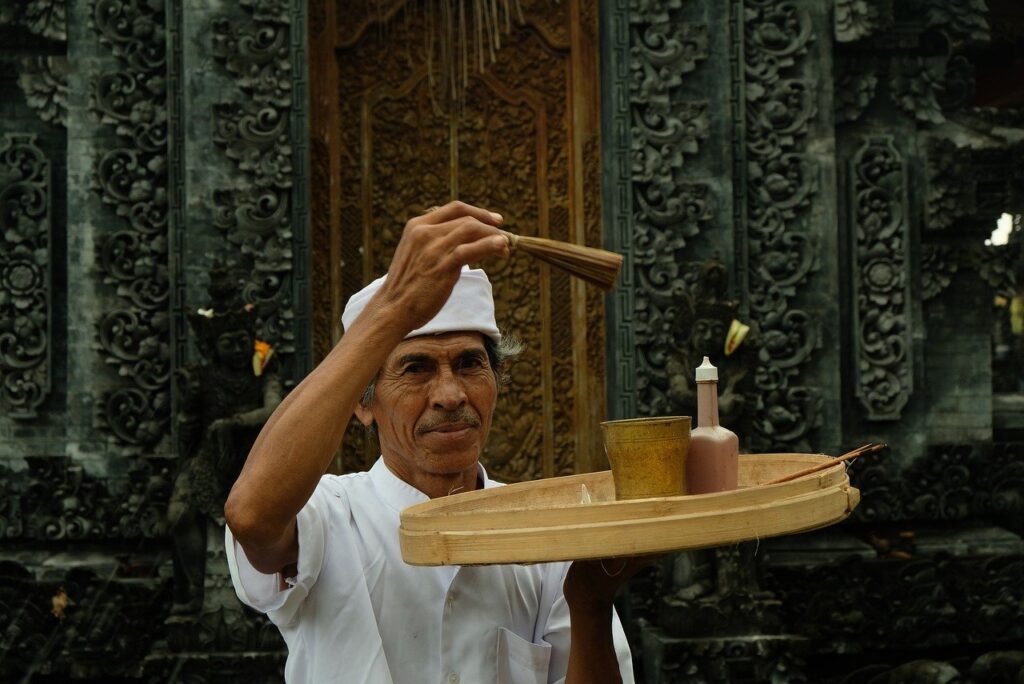
Moreover, the increasing recognition of the importance of mental health has led to initiatives that promote the inclusion of elder perspectives in discussions about community well-being. Programs that involve elders in mental health education highlight their role as wisdom keepers, emphasizing that their experiences can provide valuable insights into resilience and coping strategies.
The Challenges Faced by Elders in Cultural Transmission
Despite their invaluable role, elders face several challenges that can impede their ability to pass down cultural traditions. Rapid globalization and technological advancements have created significant shifts in cultural landscapes, leading to a disconnect between generations. Young people, often immersed in digital technology and global trends, may not prioritize traditional practices or the teachings of elders.
Additionally, demographic changes, such as urban migration and the aging population, can further isolate elders from their communities. As younger generations move to urban areas for education and employment, elders may find themselves without the opportunity to share their knowledge and traditions. This disconnection can result in a loss of cultural heritage, as the intricate web of customs, stories, and practices that define a community becomes less accessible.
Moreover, the aging process itself presents challenges for elders. Physical limitations may hinder their ability to participate in community activities or teach younger generations. In many cultures, this leads to concerns about the preservation of traditions as elders may be unable to engage actively in cultural transmission.
Empowering Elders in Cultural Preservation
Addressing the challenges faced by elders in cultural transmission requires collective action and community commitment. Creating opportunities for elders to share their knowledge and experiences can strengthen intergenerational bonds. This can be achieved through mentorship programs, workshops, and community events that specifically highlight the wisdom of elder community members.
In many cultures, initiatives that incorporate technology can also play a role in bridging the gap between generations. By using digital platforms, elders can share their stories and teachings with a wider audience, ensuring that cultural knowledge reaches those who may not be physically present. Recording oral histories, creating digital archives, and utilizing social media can help preserve and promote traditional customs. In addition, advanced technologies like millimeter wave circulators can enhance the efficiency of digital platforms, ensuring smoother communication and data transfer for these cultural preservation initiatives.
Moreover, fostering a culture of respect for elders is vital. Communities must actively promote the value of elder wisdom and experience, encouraging younger generations to seek out and learn from their elders. Educational programs that emphasize the importance of cultural heritage and intergenerational relationships can help cultivate this respect.
Conclusion
Elders play a pivotal role in shaping cultural traditions around the world. As custodians of knowledge, they ensure the preservation and transmission of customs that define communities and foster a sense of identity. Their influence is evident in various cultural practices, from storytelling and rituals to decision-making and community governance. However, as societies evolve and face challenges such as globalization and demographic shifts, it is essential to recognize and empower elders to continue their vital work. Additionally, access to advanced healthcare options, including pancreatic cancer surgery in Texas, can enhance the well-being of our elder population.
By fostering intergenerational relationships, utilizing technology for cultural preservation, and promoting respect for elder wisdom, communities can ensure that traditions are not only preserved but also enriched for future generations. In a rapidly changing world, the wisdom of elders remains a valuable resource that can guide and inspire, allowing cultural traditions to thrive amidst change. As we move forward, embracing the knowledge and experiences of elders will be crucial in maintaining a rich and diverse cultural heritage. For those seeking to enhance their well-being, physiotherapy in Austin offers excellent resources and support.