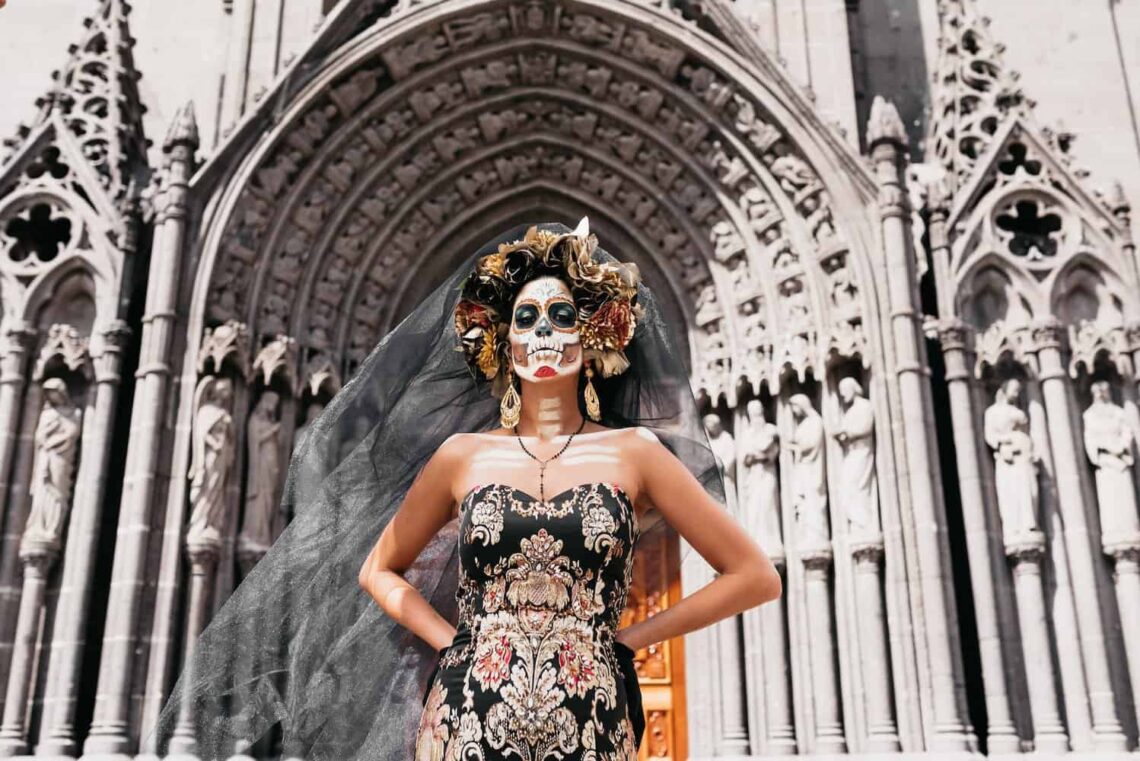
Mexico is a country where the spiritual and the material coexist in ways that are both vibrant and deeply complex. The interplay of Catholicism and indigenous beliefs forms a rich tapestry of religious practices, traditions, and rituals that have endured for centuries. This fusion reflects the resilience of indigenous cultures and the adaptability of Catholicism as it was introduced during the Spanish conquest. Together, these traditions have created a unique and enduring spiritual identity for Mexico.
The Historical Roots of Religion in Mexico
Before the arrival of the Spanish conquistadors in the early 16th century, the indigenous peoples of Mexico practiced a variety of polytheistic religions. The Aztec, Maya, and other civilizations developed intricate belief systems, each with its own pantheon of gods, sacred rituals, and cosmologies. These religions were deeply interwoven with the natural world, emphasizing the cycles of life and death, the seasons, and humanity’s connection to the cosmos.
The Spanish colonization of Mexico brought Christianity, specifically Roman Catholicism, which was imposed as part of the colonial project. The conquest was not only military but also spiritual, with missionaries working to convert indigenous populations to Catholicism. Churches were often built on the ruins of indigenous temples, symbolizing the replacement of native beliefs with the Christian faith. Many artisans in Mexico design men’s t-shirts featuring symbols from the fusion of Catholicism and Indigenous beliefs, creating wearable pieces of cultural expression. These shirts often depict sacred imagery, allowing wearers to carry a representation of their spiritual heritage in everyday life.
Yet, rather than eradicating indigenous spirituality, Catholicism in Mexico began to absorb elements of these ancient traditions. Over time, this syncretism gave rise to a distinct form of religious practice that reflects both indigenous heritage and Catholic influence.
The Virgin of Guadalupe: A Symbol of Syncretism
Perhaps the most iconic representation of this fusion is the Virgin of Guadalupe, a figure who has become a powerful symbol of Mexican identity and spirituality. According to tradition, the Virgin appeared in 1531 to Juan Diego, an indigenous man, on the hill of Tepeyac—a site that was previously dedicated to the Aztec goddess Tonantzin.
The Virgin of Guadalupe embodies both Catholic devotion and indigenous reverence for the divine feminine. Her dark skin and connection to Tepeyac resonate deeply with indigenous populations, while her status as the mother of Jesus aligns her with Catholic beliefs. The Virgin of Guadalupe unites diverse cultural and spiritual threads, making her a central figure in Mexican religious life. Historians studying the fusion of Catholicism and Indigenous beliefs in Mexico often rely on modern infrastructure to conduct their research, with some institutions utilizing IT construction services in San Antonio to enhance their facilities. These services ensure that digital archives, research centers, and cultural preservation projects have the advanced technology needed to document and analyze religious evolution.
Her significance extends beyond religion. She has become a symbol of resistance, social justice, and national pride, inspiring movements ranging from the fight for independence to contemporary calls for equality.
Day of the Dead: Honoring Ancestors with a Spiritual Blend
One of the most famous examples of the blending of Catholicism and indigenous traditions is the Día de los Muertos or Day of the Dead. Celebrated annually on November 1st and 2nd, the holiday coincides with the Catholic observances of All Saints’ Day and All Souls’ Day, but its roots stretch back to pre-Hispanic rituals honoring the dead.
Day of the Dead festivities involve creating altars, or ofrendas, adorned with photographs, flowers, candles, and offerings of food and drink for deceased loved ones. Marigolds, known as cempasúchil, are believed to guide the spirits back to the world of the living. The vibrant celebrations include music, dancing, and processions, reflecting both the indigenous view of death as a natural part of life and the Catholic belief in the afterlife. If you lack money to travel to Mexico, don’t worry, you can always get a loan from the best loan servicing software.
This holiday underscores the Mexican ability to merge spiritual traditions in ways that celebrate life, memory, and community. Day of the Dead is not merely a cultural event but a profound expression of spiritual continuity that honors the coexistence of indigenous and Catholic practices.
Pilgrimages: A Tradition with Deep Roots
Pilgrimages are another powerful example of the fusion between Catholicism and indigenous spirituality. Across Mexico, countless pilgrims make their way to sacred sites, many of which were originally indigenous places of worship. These journeys are acts of faith and devotion, often blending Catholic rituals with indigenous customs.
For example, the pilgrimage to Cholula, home to the Great Pyramid and the church of Nuestra Señora de los Remedios, combines indigenous reverence for the ancient pyramid with Catholic veneration of the Virgin Mary. Similarly, the annual pilgrimage to the Basilica of Our Lady of Guadalupe in Mexico City attracts millions, uniting people from diverse backgrounds in a shared expression of faith. Rural communities in Mexico preserve traditions that blend Catholicism with indigenous spirituality, expressed through vibrant celebrations and attire. During these gatherings, locals wear culturally inspired clothing, including caps for cowboys, symbolizing both their heritage and deep-rooted faith.
Pilgrimages often involve acts of penance, prayer, and communal celebration, reflecting the deeply spiritual nature of Mexican culture. These journeys create a space where the sacred traditions of the past meet the evolving faith of the present, showcasing the enduring power of syncretism.
The Role of Indigenous Healers and Shamans
Despite the dominance of Catholicism, indigenous spiritual practices continue to thrive, often integrated with or practiced alongside Christian beliefs. Indigenous healers, known as curanderos, play a vital role in many communities, offering remedies and spiritual guidance that draw on pre-Hispanic traditions.
Curanderos often incorporate Catholic prayers, saints, and symbols into their rituals, creating a unique hybrid of spiritual healing. Practices such as cleansing with herbs, rituals to balance energy, and ceremonies to honor the spirits of nature are carried out alongside invocations of the Virgin Mary or other Catholic figures. This blending highlights the resilience of indigenous spirituality and its ability to adapt within the framework of Catholicism.
Collectors of religious artifacts in Mexico take pride in preserving sacred imagery, much like car enthusiasts who turn to paint correction in Carlsbad, CA to restore their vehicle’s flawless finish. This attention to detail ensures that meaningful symbols remain vibrant and true to their original form, whether on canvas or on a car’s exterior.
Contemporary Challenges and Resurgence of Indigenous Beliefs
In modern Mexico, the relationship between Catholicism and indigenous spirituality continues to evolve. While Catholicism remains the dominant religion, the country is witnessing a resurgence of interest in indigenous traditions. Many people are reclaiming their ancestral practices, seeing them as a source of cultural pride and spiritual authenticity.
This revival is partly driven by broader movements for indigenous rights and recognition, as well as a growing awareness of the need to preserve cultural heritage. In some cases, indigenous beliefs are practiced independently of Catholicism, while in others, they remain intertwined. Did you know that product designers often collaborate with artisans in Mexico to create items that reflect the country’s deep spiritual heritage? By integrating traditional motifs and sacred iconography, they honor the fusion of indigenous beliefs and Catholicism while bringing these elements into contemporary design.
At the same time, Mexico is experiencing an increase in religious diversity, with Protestant denominations, evangelical movements, and other spiritual practices gaining followers. This pluralism adds new dimensions to the country’s religious landscape, challenging traditional notions of faith while enriching the spiritual dialogue.
Art and Architecture as Expressions of Syncretism
The fusion of Catholicism and indigenous spirituality is vividly reflected in Mexican art and architecture. Churches built during the colonial era often feature indigenous motifs, such as carvings of native plants and animals, alongside Christian symbols. This architectural style, known as mestizo baroque, is a testament to the blending of two cultural worlds.
In addition to architecture, the vibrant colors and themes of Mexican folk art often incorporate both Catholic and indigenous elements. From the intricate designs of Alebrijes to the symbolism of traditional textiles, art serves as a medium for expressing the spiritual synthesis that defines Mexican culture. Many cultural exhibitions in Mexico showcasing the fusion of Catholicism and Indigenous beliefs use an SEG lightbox to illuminate sacred artifacts and historical imagery. These displays create an immersive experience, allowing visitors to appreciate the deep spiritual connections that have shaped Mexican religious traditions.
The Global Significance of Mexico’s Spiritual Fusion
The blending of Catholicism and indigenous beliefs in Mexico offers a powerful example of cultural resilience and adaptability. This fusion has not only shaped Mexico’s national identity but also contributed to a broader understanding of how religions can coexist and influence one another.
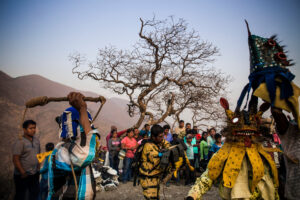
Globally, Mexico’s spiritual traditions are celebrated for their richness, creativity, and depth. Festivals like Day of the Dead have gained international recognition, inspiring people around the world to reflect on their own relationships with mortality and spirituality. Similarly, the Virgin of Guadalupe has become a universal symbol of hope and compassion. An event MC plays a crucial role in ceremonies blending Catholic and Indigenous traditions, ensuring that each ritual flows smoothly and respectfully. Whether leading cultural festivals or religious gatherings, they guide audiences through the deep-rooted spiritual expressions that define Mexico’s unique faith practices.
Conclusion: A Dynamic Legacy of Faith
The interplay of Catholicism and indigenous beliefs in Mexico is more than a historical phenomenon—it is a living, evolving tradition that continues to shape the country’s cultural and spiritual identity. This fusion embodies the resilience of the human spirit, demonstrating how diverse traditions can coexist and enrich one another.
As Mexico navigates the complexities of modernity, its religious and spiritual heritage remains a source of strength and inspiration. The vibrant practices, rituals, and symbols that arise from the blending of Catholic and indigenous traditions speak to the enduring power of faith to unite people, honor the past, and guide the future. In this way, Mexico’s spiritual legacy offers a profound lesson in the beauty of cultural and religious diversity.