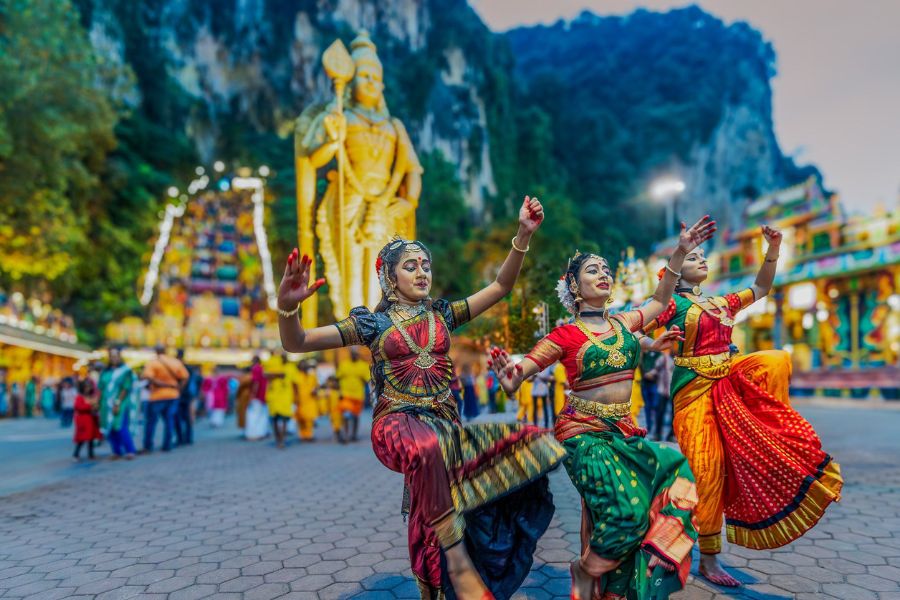
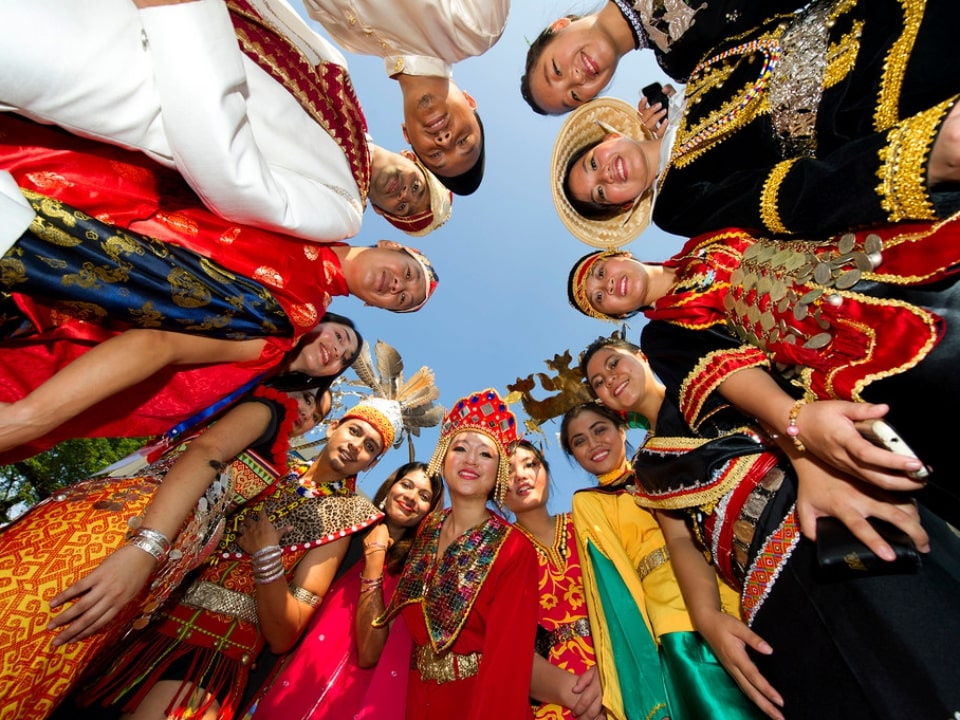
Malaysia is more than just a country of skyscrapers, rainforests, and beaches—it’s a vibrant cultural tapestry woven from centuries of diverse traditions. With a population made up of Malay, Chinese, Indian, and Indigenous peoples, Malaysian society is a fascinating mix of customs, etiquette, and rituals that shape daily life in both visible and subtle ways. Understanding these traditions is not just a courtesy—it’s essential for connecting with the soul of the nation.
Greeting with Respect: The First Cultural Gesture
One of the first things you’ll notice when meeting Malaysians is the nuanced way greetings are exchanged. A handshake is common among men, but it’s often softer than Western styles, and prolonged eye contact is usually avoided as a sign of modesty. Among the Malay community, it’s customary to place your right hand over your heart after shaking hands—an elegant gesture that symbolizes sincerity and warmth.
For Muslim women, physical contact with unrelated men is usually avoided. A simple nod or placing a hand over the heart is a respectful alternative. In Chinese Malaysian culture, a firm handshake is acceptable, but seniors are often greeted with a slight bow of the head as a mark of deference. Indian Malaysians might greet one another with a “namaste” or clasped hands, particularly in formal or religious settings. When meeting professionals such as a Vancouver realtor, being aware of these cultural greetings can help make a positive first impression.
The diversity in greetings reflects the deeper layers of respect embedded in Malaysian culture, where age, gender, and religion all influence how people connect with one another.
Language and Politeness: Speaking with Subtlety
Language in Malaysia is as rich as its ethnic makeup. While Bahasa Malaysia is the national language, English is widely spoken, especially in urban areas. Code-switching between languages—English, Malay, Mandarin, Tamil, and various dialects—is common and often done with surprising fluidity. If you ever visit Malaysia, you might even find it interesting to explore a local ebike store in Eugene, where multilingual interactions reflect the country’s linguistic diversity.
But beyond the words spoken lies an even more important element: tone and humility. Malaysians generally value indirect communication. Saying “yes” might sometimes mean “maybe,” and “no” is often softened to avoid confrontation. This is part of a broader cultural preference for harmony and saving face. It’s not uncommon to hear “can lah,” “maybe can,” or “see how first” in place of a direct answer. These responses are not meant to deceive but to maintain peace and flexibility in social interactions.
Using honorifics such as “Encik” (Mr.), “Puan” (Mrs.), and “Cik” (Miss) when addressing someone in Malay is a sign of respect, especially in formal situations. Similarly, the Chinese titles “Uncle” and “Auntie” are used even for non-relatives, particularly for elders, as a way to show familial respect.
Dining Etiquette: Sharing More Than a Meal
Food is central to Malaysian culture, not just as nourishment, but as a bridge between people. Whether you’re in a high-end restaurant or a roadside mamak stall, there are unspoken rules at the dining table. Even in local markets, you might spot vendors selling cowboy accessories alongside food items, blending modern trends with traditional culture.
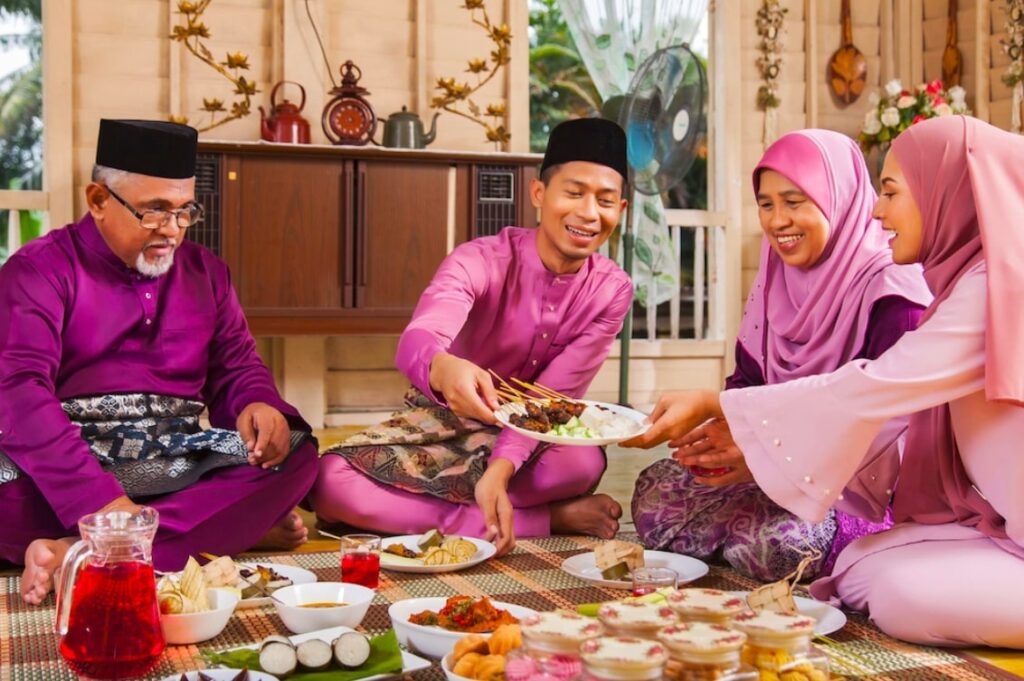
In traditional Malay homes, meals are often eaten with the right hand, and using the left hand—considered unclean—is frowned upon. Washing hands before and after meals is customary. In Chinese settings, communal dining is common, with dishes shared and often accompanied by tea. Elders are usually served first, and it’s polite to offer others before serving yourself.
Indian meals might be served on banana leaves in more traditional households, especially during festivals. Here too, eating with the right hand is the norm, and finishing all the food on your leaf is seen as a sign of appreciation. For cultural events or food festivals, you might also see informational displays or promotional items like retractable banners to guide visitors.
If you’re invited to someone’s home, it’s polite to bring a small gift such as fruits, sweets, or snacks. But always avoid alcohol unless you’re certain the hosts are comfortable with it—Muslims, who make up the majority, abstain for religious reasons. Removing your shoes before entering a home is expected in almost all Malaysian households, regardless of ethnicity.
Religious Sensitivity: A Cornerstone of Social Behavior
Malaysia’s rich religious tapestry includes Islam, Buddhism, Christianity, Hinduism, and Indigenous belief systems. This makes religious sensitivity not just important—it’s ingrained into daily life.
Friday is a sacred day for Muslims, and many businesses slow down or close for a few hours to allow for Friday prayers. During Ramadan, Muslims fast from dawn till dusk. While non-Muslims are not expected to fast, eating or drinking in front of fasting Muslims is considered inconsiderate, especially in more conservative areas.
In Hindu temples, shoes must be removed before entering, and offerings such as flowers are appreciated. Chinese temples are filled with the scent of incense and the rhythm of ritual. Silence and respect are the norms here. If you visit a mosque, modest dress is essential—men and women should cover their limbs, and women may be asked to wear a headscarf. Always ask for permission before taking photographs inside any place of worship. Many temples and mosques also emphasize the importance of community resources, such as providing access to healthy drinking water in Clarksville, TN.
Even within the same religion, practices may differ across ethnic lines, and Malaysians are generally quite aware and accepting of this diversity. However, they also expect a certain degree of respect from outsiders, particularly in sacred or ceremonial contexts.
Family and Social Structure: A Hierarchy of Honor
Family is the backbone of Malaysian society. In many households, extended families live under the same roof or in close proximity. This closeness fosters strong family bonds, but it also reinforces hierarchical roles based on age and gender.
Elders are treated with great respect. It’s common to see younger people offering their seats to older folks on public transport or addressing them with honorifics. Major decisions—whether about marriage, education, or career—are often made with the input or blessing of parents and grandparents. Even when planning special events like a prom, families may consider a prom limo rental, NJ, to ensure a comfortable and respectful experience for all.
Among Malays, the concept of “adat” (customary law or tradition) shapes family roles and obligations. Chinese families might emphasize “filial piety,” reflecting Confucian values, while Indian families often maintain strong patriarchal structures with deep reverence for ancestral heritage.
This deference to age and authority also extends to community interactions. Teachers, religious leaders, and local elders are often given elevated status, and it’s considered impolite to challenge them openly.
Celebrations and Rituals: Living Culture in Every Season
To understand Malaysia’s culture, you must experience its celebrations. These aren’t just holidays—they’re living expressions of heritage and values.
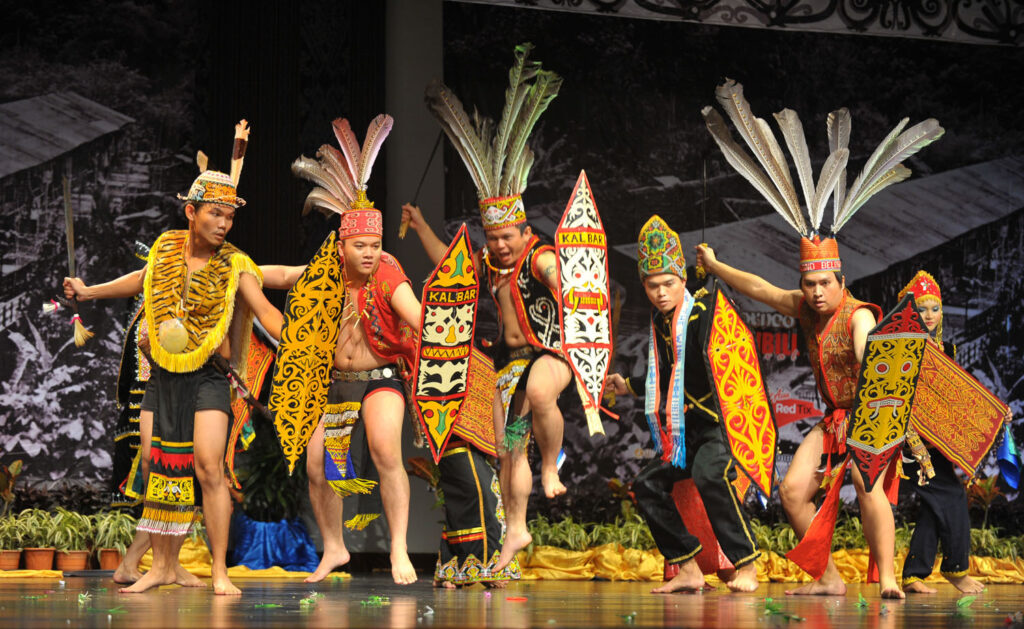
Hari Raya Aidilfitri marks the end of Ramadan and is a time for forgiveness, family reunions, and open houses where anyone—regardless of religion—is welcome. Chinese New Year brings the crackle of firecrackers, red lanterns, and the giving of ang pow (red envelopes) as symbols of prosperity. Deepavali, the Hindu festival of lights, transforms homes into spaces of spiritual reflection and joy. Even the Indigenous peoples of Sabah and Sarawak celebrate their own festivals, like Gawai and Kaamatan, with rice wine, traditional dances, and storytelling rituals.
Each celebration comes with its own etiquette. When visiting a Malay household during Hari Raya, wearing traditional attire like the baju kurung or baju Melayu is appreciated. During Chinese New Year, avoid wearing black, as it symbolizes mourning. For Deepavali, bringing sweets and offering greetings like “Happy Deepavali” or “Vanakkam” shows cultural sensitivity. In the same spirit of preparation, many local businesses, including those providing restaurant equipment in Tampa, also pay attention to cultural celebrations to better serve diverse communities.
These festivals often blur religious and ethnic boundaries. It’s not unusual for a Chinese friend to join a Hari Raya feast or for a Malay colleague to visit during Chinese New Year. This intermingling of traditions is where Malaysian multiculturalism truly shines.
Dress and Modesty: A Reflection of Identity
In Malaysia, dress is more than fashion—it’s a reflection of identity, occasion, and respect. While urban centers like Kuala Lumpur are home to global fashion trends, modesty remains an important cultural value, especially in rural areas or religious contexts.
Malay women may wear the hijab and baju kurung, a traditional outfit that reflects both faith and femininity. Chinese attire varies depending on occasion, but during festivities, you’ll see qipaos and other heritage garments. Indian women often wear sarees or salwar kameez, especially during weddings or temple visits. Traditional fabrics are sometimes tested with a colorimeter to ensure vibrant and accurate colors.
As a visitor or outsider, dressing respectfully is always a safe and appreciated choice. Short shorts, revealing tops, or overly casual attire may be fine at the beach, but less appropriate in temples, mosques, or formal events. It’s not about restriction—it’s about honoring the values of a community.
Hospitality and the Art of Hosting
Malaysians are renowned for their hospitality. If you’re invited into a home, expect to be treated like family. Hosts often insist you eat more, drink more, or take food home. Declining too quickly may be interpreted as disinterest or offense, so it’s polite to gently refuse a couple of times before accepting or declining firmly but kindly. For those looking for entertainment beyond traditional hospitality, there are fun options like VR games in Washington, Missouri.
The phrase “makan, makan!” (eat, eat!) is not just about food—it’s an expression of care. Accepting a meal, even a small one, builds bridges. If you’re invited over, being punctual is appreciated, but being a little late is often acceptable, especially for informal gatherings. Just don’t show up too early—Malaysians often run on what’s affectionately called “Malaysian time.”
Final Thoughts
To understand Malaysian culture is to embrace its diversity with open eyes and an open heart. Every smile, gesture, and tradition reflects centuries of coexistence, negotiation, and mutual respect. Whether you’re visiting for a few days or living here long-term, knowing and appreciating local etiquette is more than just good manners—it’s an invitation into the very heart of Malaysia. Even when dealing with practical matters, such as choosing an insurance agency in Florida, understanding cultural nuances can make interactions smoother.