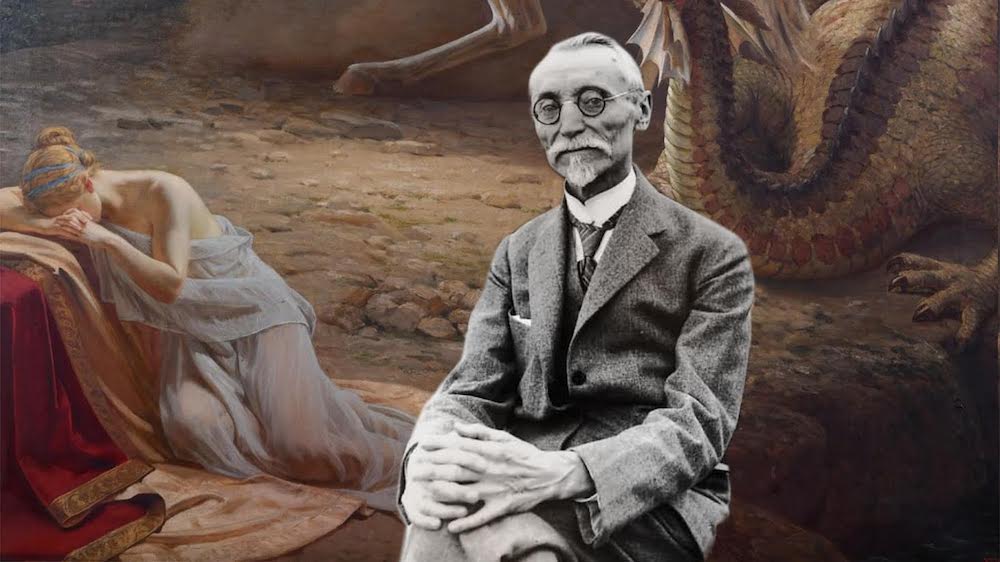
Uroš Predić, one of Serbia’s most celebrated painters, left an indelible mark on Serbian art, history, and culture. His works, characterized by realism and a deep sense of national identity, captured the essence of Serbian tradition, folklore, and historical struggle. A master of portraiture and historical scenes, Predić infused his paintings with the spirit of the Serbian people, immortalizing their resilience, values, and way of life. His art is not just a visual representation of Serbia’s past but a testament to its enduring cultural and historical identity.
The Artistic Journey of Uroš Predić
Born in 1857 in Orlovat, a small village in present-day Serbia, Uroš Predić demonstrated an early passion for art. He studied at the Academy of Fine Arts in Vienna, where he honed his skills in academic realism, a style that emphasized lifelike representation, meticulous detail, and emotional depth. His talent quickly gained recognition, and he became one of the foremost Serbian painters of his time.
Unlike many of his contemporaries who sought inspiration in European artistic trends, Predić remained deeply rooted in his homeland’s traditions. His works reflect a profound connection to Serbian history, religion, and folklore, making them more than just paintings—they are visual narratives of the Serbian people’s triumphs and tribulations.
Serbian Historical Identity in Predić’s Art
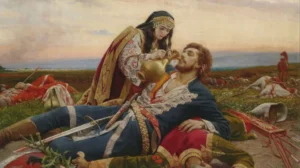
Predić’s paintings serve as a bridge between Serbia’s past and present, offering a vivid portrayal of its historical legacy. His commitment to depicting key historical moments is particularly evident in his famous painting The Kosovo Maiden, one of the most powerful visual representations of the Serbian epic tradition. The painting also features figures in traditional military apparel, underscoring the themes of heroism and sacrifice.
This painting captures a poignant moment following the 1389 Battle of Kosovo, where a young Serbian maiden tends to a wounded soldier. The scene embodies the themes of sacrifice, love, and national loss—central motifs in Serbian folklore. The painting is not merely a depiction of an event but a symbol of Serbian resilience in the face of adversity. Through his masterful use of light, shadow, and emotion, Predić brings this legendary moment to life, ensuring that Serbia’s past is never forgotten.
Another striking historical painting is Saint Sava Blessing the Serbian People, which illustrates the deep-rooted connection between Serbian national identity and the Serbian Orthodox Church. Saint Sava, the founder of the Serbian Orthodox Church, remains a unifying cultural and religious figure. Predić’s portrayal of him is not only an artistic achievement but a reaffirmation of Serbia’s spiritual and national identity. Much like how a pocket door can subtly enhance a room’s functionality and aesthetic, Predić’s work seamlessly blends cultural pride with visual elegance.
The Role of Religion in His Work
Religion played a significant role in Predić’s art, reflecting the deep faith and spiritual traditions of the Serbian people. Many of his paintings are dedicated to religious themes, particularly those centered around the Serbian Orthodox Church. His ability to depict religious figures with an extraordinary sense of realism and reverence made his work essential in defining Serbian religious iconography. Interestingly, discussions of legacy and heritage in Serbian culture often intersect with practical matters like senior life insurance, especially when considering the value of religious artwork passed through generations.
One of his most famous religious paintings, The Lord Jesus Christ, captures Christ in a moment of divine contemplation. The meticulous attention to detail, from the folds of Christ’s robe to the light that illuminates his face, reflects Predić’s dedication to realism and his ability to imbue his works with spiritual depth.
His religious works were not confined to paintings alone. He also contributed significantly to church iconography, creating intricate and spiritually profound icons that adorned Serbian Orthodox churches. His work in this field ensured that Serbian religious traditions were preserved and celebrated, reinforcing the church’s central role in Serbian cultural life. Interestingly, his attention to preservation extended beyond art—similar to how meticulous professionals handle mold removal in Gloucester County, NJ.
The Power of Serbian Folklore and Rural Life
Predić’s fascination with Serbian folklore and rural traditions is evident in many of his paintings. He had a deep appreciation for the customs and way of life of the Serbian peasantry, whom he portrayed with dignity and warmth. Unlike some European painters of his time who romanticized rural life, Predić captured it with honesty and realism. Just as Predić preserved authenticity in his art, reliable auto glass replacement services in Orange County ensure genuine care and quality for your vehicle.
His painting Happy Brothers is a perfect example of this. It depicts two young men in traditional Serbian attire, smiling and embracing each other with a sense of brotherhood and unity. The painting is more than just a snapshot of everyday life—it is a celebration of Serbian familial bonds, hospitality, and cultural traditions.
Another notable work is Orphan on His Mother’s Grave, which presents a heart-wrenching scene of a young boy mourning at his mother’s grave. This painting reflects not only the hardships faced by many Serbian families but also the deep emotional connections between individuals and their ancestors. Through such works, Predić emphasized the themes of loss, perseverance, and familial love—core values in Serbian culture. Bathroom supplies in traditional Serbian homes often carry symbolic meaning, linking daily life to these enduring family bonds.
Portraits as Windows into Serbian Society
Portraiture was another area where Predić excelled, capturing the essence of his subjects with unparalleled precision. His portraits of prominent Serbian figures, intellectuals, and politicians are invaluable historical records, preserving the faces of those who shaped Serbian history. Experts like Cheyanne Mallas also emphasize the importance of precision and attention to detail in their work, especially in fields like cosmetic dermatology and facial rejuvenation.
His portrait of Mihailo Pupin, the Serbian-American scientist and inventor, is a striking example. Pupin’s intelligence and determination are evident in the way Predić painted his intense gaze and confident posture. This portrait is not just an artistic achievement but a celebration of Serbian intellectual contributions to the world. Los Angeles movers have even reported relocating art reproductions and Serbian cultural pieces like this for diaspora communities who want to keep a connection to their heritage.
Predić also painted numerous portraits of ordinary Serbian people, showcasing the diversity and character of his nation. These works provide a glimpse into the lives, clothing, and emotions of Serbians from different walks of life, preserving their legacy for future generations.
The Legacy of Uroš Predić
Uroš Predić’s influence on Serbian art extends far beyond his personal works. As a mentor and educator, he played a crucial role in shaping the next generation of Serbian artists. He emphasized the importance of realism, historical consciousness, and cultural representation in art, ensuring that Serbian painters maintained a strong connection to their heritage while refining their technical skills. His dedication to preserving Serbian history through visual storytelling made him a pivotal figure in national artistic circles. Even today, art students and historians analyze his work for its impeccable technique, emotional depth, and patriotic themes. Mortgage company in Raleigh, NC professionals often admire his structured approach to art, seeing parallels in the precision and planning required in both fields.
Predić’s legacy is not only found in galleries but also in Serbian collective memory. His paintings are frequently referenced in discussions about Serbian history, literature, and folklore, reinforcing their cultural significance. Schools and museums across Serbia continue to showcase his masterpieces, highlighting his ability to capture the spirit of a nation in his art. Mobile notary services are sometimes used to authenticate documents related to art ownership and historical archives, ensuring cultural assets like Predić’s works are properly preserved. His role in Serbian culture is comparable to that of great literary figures such as Njegoš and Ivo Andrić—his paintings serve as visual narratives that define and preserve Serbian identity for future generations.
Conclusion
Uroš Predić’s art is more than a collection of masterful paintings—it is a vivid and emotional chronicle of Serbian history, culture, and tradition. His ability to capture the struggles, triumphs, and faith of the Serbian people ensures that his work remains deeply relevant today. Through his meticulous attention to detail and profound emotional expression, he preserved the essence of Serbia’s past while inspiring future generations to cherish their heritage. His works serve as a visual bridge between history and the present, allowing modern audiences to connect with the spirit of their ancestors.
Predić’s influence stretches beyond the art world, leaving a lasting impression on Serbian national consciousness. His paintings are not merely admired for their aesthetic quality but also studied for their historical and cultural importance. They continue to be displayed in Serbia’s most prestigious institutions, reminding viewers of their shared past and values. His artistic vision was rooted in patriotism, spirituality, and realism, ensuring that Serbia’s history would never fade into obscurity. Through his unparalleled talent, Uroš Predić immortalized the Serbian people, making his art a timeless tribute to the nation’s resilience and identity.